close

Lifestyle

LifestyleGeneral

What Do Plantains Taste Like? 9 Essential Benefits

Plantains are some fruits often known to have a specialized taste or flavor that varies based on their present state and appearance. This taste usually varies by the extent of ripeness of the fruits and the way they are made or cooked for consumption.

Originally from Southeast Asia, particularly India, which have spread their roots across various tropical and subtropical regions. They are now a beloved staple in diverse locations such as Africa, the Caribbean, and Central and South America, connecting cultures through their unique taste and versatility.
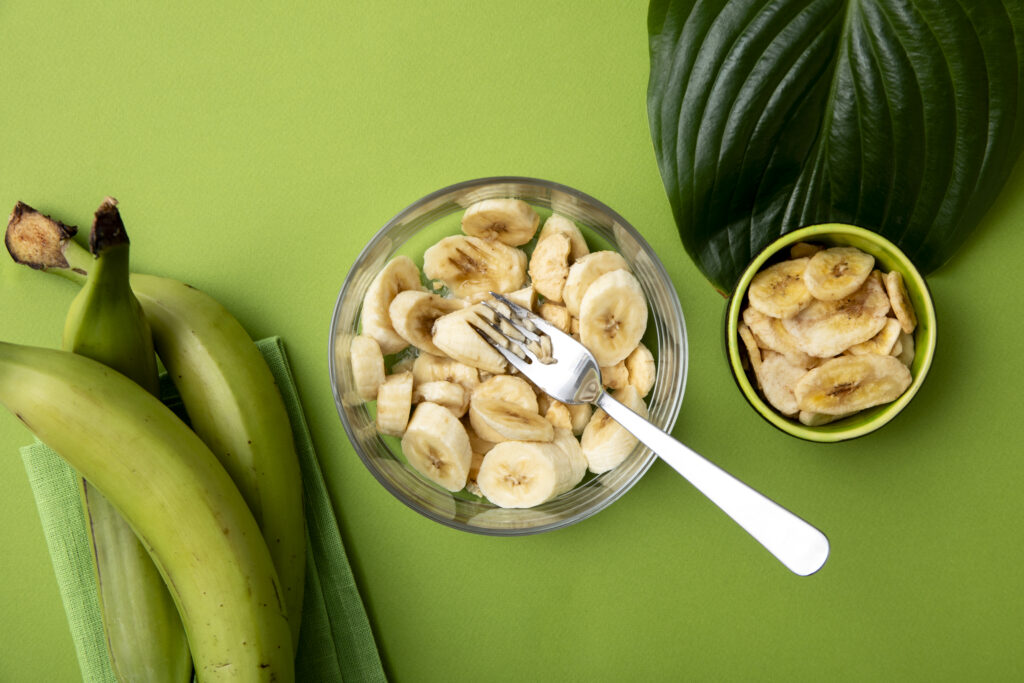
Green plantains sliced in a transparent bowl for cooking.
Plantains

Plantains are usually considered a variant of the banana fruit, but they are distinct. They are longer, more prominent, and less sweet than their banana counterparts. Both belong to the Musa genus family but are typically subject to cooking by boiling, frying, or grilling to unlock their unique taste and health benefits.

The taste of this technically categorized fruit, is a delightful journey that evolves with its various stages of ripeness. From a firm, starchy flavor to a sweet, caramelized richness, each stage adds a different texture, flavor, and taste to any meal or cuisine, inviting you to explore and savor its unique profile.

The below evaluates the various stages of the Plantain fruit. Although considered a fruit as it comes from the same family as the banana fruits, individuals also eat this fruit as a vegetable because of their high starch content and the fact that they must be subject to cooking before consumption. They are:

Green Plantains

These are those immediately obtained after harvesting from the trees. They are often known for their rich green look, rigid and firm texture, and starchy taste similar to a potato but less sweet or sugary. 

Green plantains, sometimes referred to as unripe, are used to make firmer foods. They are often boiled and eaten in Africa with egg sauce or other sauces. They are sometimes dehydrated to make plantain flour, which is used to create a staple food called ‘swallows. ‘ These are dough-like balls eaten with various local soups. Green plantains could also be fried and eaten as unripe chips.

Green plantains are not just delicious; they are also a nutritional powerhouse. They are rich in resistant starch, a dietary fiber beneficial for individuals with diabetes. This starch promotes digestive health and helps regulate blood sugar levels, contributing to overall well-being.

Green plantains, in this unripe state, offer a unique flavor profile that is less sweet and more savory. This distinct taste is particularly cherished in tropical regions, adding a touch of exoticism to your culinary adventures and providing significant health benefits.

Yellow Plantains

After a few days of harvesting, the plantain fruits transition into a semi-ripe state, transforming into a vibrant yellow hue with a few remaining green patches. This visual transformation is attractive and signals the perfect time for consumption. The texture of yellow plantains at this stage is a delightful balance between firm and soft, making them a versatile ingredient for various dishes.

As they ripen, they transform, becoming sweeter and more flavorful. The starchy content also decreases compared to green plantains. At this point, they are often fried and enjoyed with eggs or jollof rice, fried into chips, or grilled as Nigerians call Bole.

A single yellow plantain.
Yellow Plantain

The versatility of using a plantain at this stage is admirable. It brings a sweet and enjoyable vibe to various cuisines or meals. Unlike green plantains, yellow plantains provide a more attractive look to meals, although they minimize their fiber content and lead to more carbohydrate consumption than more dietary fiber.

At this yellow stage, are renowned for their unique flavor, which is between sweet and savory. This distinct taste profile is particularly beneficial in tropical climates, where it can offer a refreshing and satisfying culinary experience. Compared to green plantains, yellow plantains are more visually appealing but have lower fiber content, leading to increased carbohydrate consumption rather than dietary fiber.

Brown-Spotted Plantains

At this stage, the plantains are fully ripe and often coated yellow with brown patches. They are typically softer than the yellow ones and have a much sweeter taste. They are as smooth as bananas and can be enjoyed in raw or cooked form.

The starchy contents of green plantains are now converted to sugar, which is used to make various meals like pancakes, bread, puddings, pizzas, and porridge. Plantains can still be fried, grilled, and baked, but boiling at this point might not produce the best results.

Brown plantains remain not a go-to food for individuals living with diabetes as this could spike blood sugar levels, creating more health concerns for these individuals.

Black Plantains: At this stage, some individuals consider this fruit to be spoilt, while in reality, it remains fine and healthy for consumption. The plantain has gone from green to a full brown color. They are well known for their soft and mushy texture.

They are referred to as overripened and are incredibly versatile in making various desserts and snacks. From plantain balls to puddings, smoothies, and even ice cream, these overripe fruit can be a delightful addition to your meal. Despite their overripe nature, which increases their sugar content and eliminates starch, they can still be enjoyed in moderation without causing a significant spike in blood sugar levels.

For the best results, it is often better to bake or fry than boil and grill. The black plantain remains useful and should be put to good use rather than thrown out because individuals consider them spoilt, leading to food wastage.

Plantain and its Health Benefits

–         Weight Maintenance: Green plantains, with their blend of starch and dietary fibre, offer a distinct advantage for weight management. This combination aids digestion, keeps one full for longer, and promotes healthy bowel movements, all contributing to maintaining your desired weight.
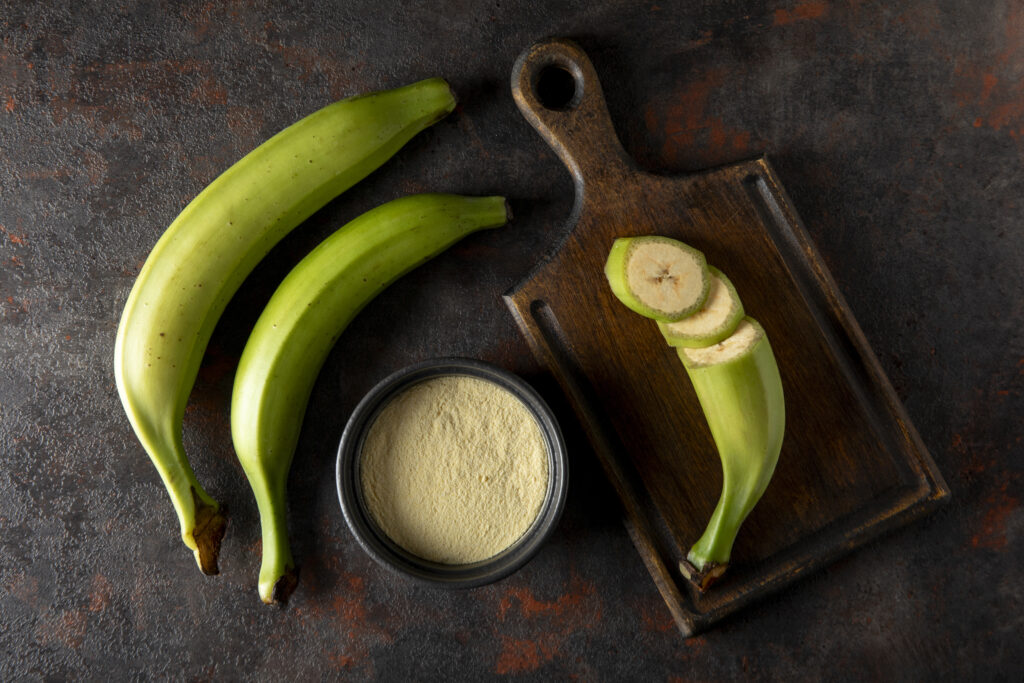
Plantain flour made from the plantains in black bowl.
Plantain Flour

–          Rich Antioxidant: The plantain fruit is also considered rich in antioxidants such as Vitamin C and flavonoids, which help protect cells from damages caused by free radicals and may reduce the risk of chronic diseases such as cancer and cardiovascular disease.

–         High Energy: Green plantains, with their rich carbohydrate content, are a powerhouse for energy production. This energy is crucial for handling your daily tasks and duties, making green plantains an excellent choice for maintaining energy levels throughout the day.

–         Variety of Nutrients: Plantains are rich in essential vitamins such as Vitamin A through the carotenoid present in plantains, B6, E, and other minerals such as phosphorus, iron, potassium, and magnesium, which provide numerous benefits to the body.

–         Rich Fiber: Plantains are an excellent dietary fiber source, including soluble and insoluble fiber. Fiber aids in digestion promote bowel regularity and may help lower cholesterol levels and improve heart health.

–         Blood Sugar Control: The’ fibre in this fruits component helps regulate blood sugar levels by slowing down the absorption of sugars into the bloodstream. This can prevent spikes and crashes in blood sugar levels, which can contribute to cravings for sugary or high-carbohydrate foods.

–         Craving Control: The sweet taste of yellow plantain helps satisfy cravings for sugary foods without consuming too much sugar, which is found in varieties of unhealthy processed and packaged snacks. It also serves as a healthier option, meeting the body’s nutritional health benefits and reducing cravings due to dietary deficiencies.

– Various Cooking Options: Plantains offer numerous meal preparation options. They are known for their use in the preparation of various cuisines and meal options. They can be boiled, fried, grilled, blended to make puddings, or baked in their various states, providing healthy and nutritious options for a meal and hence extreme satisfaction.
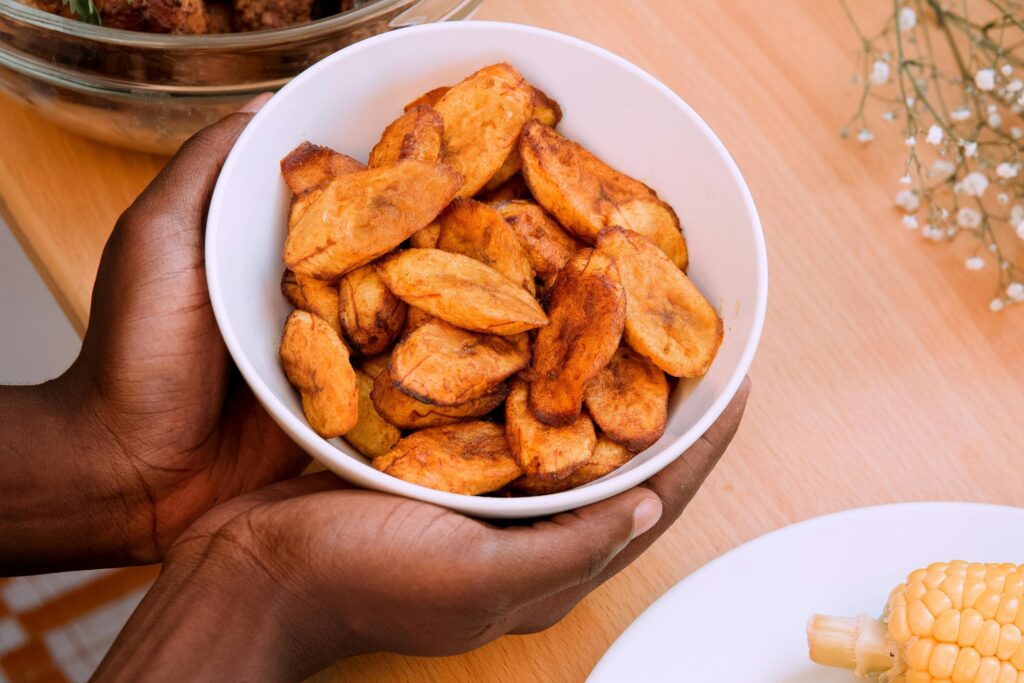
Freshly fried plantain in a white plate.

Manage Blood Pressure: Plantains’ potassium helps reduce the risk of hypertension. This is based on their reduced salt content, making them suitable meals for individuals treating hypertension-related sicknesses.

Plantain: Its Nutritional Value

Plantains are highly nutritious and provide essential vitamins, minerals, and other nutrients. The below provides a breakdown of their nutritional value per 100 grams of raw plantain:

Calories: 166

Carbohydrates: 40 gramsPotassium: 499 milligramsVitamin A: 1127 International units
Dietary Fiber: 3.5 gramsMagnesium: 37 milligramsVitamin B6: 0.299 milligrams
Sugars: 14.8 gramsPhosphorus: 34 milligramsVitamin C: 18.4 milligrams
Protein: 1.5 gramsIron: 0.6 milligramsVitamin E: 0.27 milligrams
Fat: 0.1 gramsFolate 12.5milligrams 
Nutritional Content

Plantains are exceptionally high in potassium, which benefits heart health and muscular function. They also contain many vitamins C, A, and B6, among other nutrients. Additionally, they contain dietary fiber, which stimulates digestion and may aid in regulating blood sugar levels, particularly when in their pure green state. Thus, they are a nutritious complement to a balanced diet for humans.

Summary

Plantains offer various tastes and unique properties depending on their present state, the cooking methods applied, complementary ingredients used, and personal preference for satisfaction. They range from starchy and savory to sweet, sugary, caramelized, and in between, making them a versatile ingredient in various cuisines worldwide.

Sometimes, plantains taste like potatoes, and other times, they have the same taste as bananas. Whether used in savory dishes like tostones and swallows in Africa or sweet treats like bread, fried plantains, mosa (balls), or chips, they add unique flavor and texture to culinary creations. They provide the chefs with various options from cooking to eating, depending on their present state, hence providing a remarkable health benefit at every point of use or consumption.

What Do Plantains Taste Like? – Foods Guy

What Do Plantains Taste Like? A Deliciously Unique Flavor (fruitonix.com)

read more
GeneralLifestyle

10 Benefits of Playing with Puzzles by Adults

Puzzles typically come in a variety of forms and styles. When we were younger, we explored various games and were excited and passionate about puzzles and solving riddles. However, as we grow older and face the realities of adulthood, we become more complacent and sometimes lose interest altogether, as we tend to have many things pacing for our time and attention.

A puzzle is a game or activity that challenges the intellectual capacity of humans. It ensures using cognitive reasoning and skills to provide the right solutions to problems. This typically entails manipulating shapes, words, numbers, or other elements to reach a specific goal or solution. Playing puzzles not only provides satisfaction to its participants but also ensures a state of mental alertness and nervous relaxation. Engaging in these activities in adulthood has proven to be an activity not to be categorized as a waste of time but of immense benefit to adults, fostering mental agility and ensuring the overall well-being of individuals.

Two teams, one wearing blue and the other red, playing a quiz game.
Puzzle Playing by adults

When we were younger, puzzles were numbers, pictures, and even letter matches. However, as we grew older, we yearned for more challenges; puzzles then included the form of crosswords, Sudoku, trivia questions or quizzes, deductive reasoning questions, and assembly types. We often expect these activities to be tasking but not so challenging that they may frustrate us. At the same time, they should not be effortless to crack. This article explores the various benefits of puzzle playing for adults and how it helps shape human health and well-being.

Benefits of Playing puzzles in Adults

The are several value and importance attributable to playing puzzles in adult. These include:

Mind Sharpening

Engaging in puzzles as adults serves as a highly beneficial tool for perfecting individual brain health. As we exercise and eat healthy to keep our bodies and health in shape, we also need to also exercise our brain to keep our minds and brain intact. This ensures that we remain more alert and mentally fit, hence promoting our brain health.

These mental activities help to maintain cognitive function, keeping you active in your mind. The continuous stimulation of the brain through puzzle-solving can lead to improved memory retention, promote concentration on the task at hand and eliminate short term memory issues in adults.

Four Friends having fun while playing poker.
Adults playing puzzles

Enhance Productivity

When saddled with a lot of challenges and tasks as adults, we start getting them done up until the point we begin to feel exhausted and overwhelmed leading to little or no productivity. Just like the power of taking a nap or break at this point, playing puzzles in between tasks provides a great experience to the mind and nerves keeping you further energized to get going even when uncertain about the outcomes.

Taking a break to play game or quiz while at work or in the school help ensures that the mind is kept refreshed and able to function optimally all through the day, hence providing a clear and focused mindset to getting things done and generating great results.

Stress Management

Puzzles serve as a stress relief when we feel stressed due to work or other life issues, we face on a daily basis providing us with the calm and relaxing spirit that the body requires.

This in turn helps protect the body from many health issues that could arise from excessive stress and promotes a healthy lifestyle altogether.

Enhanced Mood and Outlook

Playing puzzles can significantly boost adults’ moods, offering satisfaction, accomplishment, and relaxation. This sense of achievement leads to the release of dopamine, the feel-good neurotransmitter, which can enhance mood and ensure our outlook remains vibrant, eliminating all negative distractions or thoughts.

Playing puzzles makes us feel good and less judgmental about ourselves, exposing us to the benefits of positivity in our health and life.

Pieces of  colorful puzzles brought together to form a house.
Puzzle Pieces- Various colors and shapes

Promotes Knowledge

Engaging in puzzles like quizzes, logic puzzles, and riddles ensures that you know things relating to your field of study or career and have insights into other areas of knowledge, promoting learning and fostering a better you in general.

When participating in this as an adult it helps expand our vocabulary and improve one’s knowledge and environmental awareness; it also ensures critical thinking and that we can maintain the enriching life lessons and knowledge that are super helpful at any time in our life journey.

Promotes creativity and Problem-Solving

Playing puzzles by adults encourages critical thinking. In this process, you identify the problem, analyze, review, and evaluate the issues, and then make logical and reasonable decisions or conclusions.

This approach guarantees that we view challenges from various perspectives, thereby promoting creativity or, better yet, getting things done, overcoming obstacles, and finding solutions to complex problems in a structured and enjoyable form.

By frequently engaging in this element of playfulness, humor, and imagination, individuals are encouraged to approach challenges with a sense of curiosity, wonder, and experimentation. This playful mindset also provides a conducive environment for creative thinking, exploring new ideas, and problem-solving.

Puzzle- Rubik cubes
Puzzle -Rubik cubes

Minimize Cognitive Decline

Participating in mentally stimulating activities helps build cognitive reserve, preventing cognitive decline and dementia. Hence, adults with higher levels of cognitive reserve may experience slower mental decline and better cognitive function in later years, even in the presence of age-related brain changes.

Factoring puzzles into one’s daily activities ensures that one has a valuable cognitive bank. This keeps one’s cognitive mind and well-being perfectly fit at an adult level even as you age, promoting the establishment of new neural connections and pathways in the brain.

Fosters Patience and Perseverance

Solving quiz-related challenges helps build our patience and resilience by promoting the concept of delayed gratification, where an investment of time and effort is put into an activity before solutions and rewards are obtained.

It also provides a prototype of how one feels when solving a problem, helping one cope with frustration, doubts, uncertainties, and even setbacks when faced with challenges. By tackling these challenges one step at a time and patiently working through the process, individuals develop the patience to persevere and ultimately find solutions to problems.

Improves Confidence

The can-do spirit that gives you the zeal to keep trying and face life’s challenges. Individuals experience a boost of confidence when they get involved with solving riddles, which offers a rewarding confidence-building experience for adults, providing opportunities for skill development, mastery, and social validation.

This is done through progress tracking of the puzzles, improving one’s sense of accomplishment, self-esteem, and mastery, which boosts confidence. It reinforces one’s belief in one’s capacity to overcome problems or issues.

Enrich Collaboration and Togetherness:

Puzzles can be a social activity, promoting teamwork and collaboration when worked on with friends, family, or in group settings. They provide an excellent opportunity for bonding, sharing ideas, and creating wonderful and spectacular connections and memories.

Puzzling provides a supportive environment of like minds focused on helping and learning from one another. This togetherness allows team members to share tips, techniques, and insights, enhancing their knowledge and skills through collaboration. By pooling their collective expertise and resources, teams can identify more inventive solutions and overcome challenges or conquer difficulties more effectively.

10 Benefits of Playing with Puzzles by Adults

Summary

In conclusion, puzzles enrich the lives of adults in countless ways, providing entertainment and opportunities for growth, connection, and personal fulfillment. Embracing the challenges and rewards of puzzle-solving can result in a happier, healthier, and more vibrant existence.

Puzzles serve as an agent for adults’ mental, emotional, and social well-being. Puzzles are more than just games; they are windows into the human experience, offering glimpses of our capacity for creativity, resilience, and connection. By embracing the challenges and rewards of puzzle-solving, individuals can enrich their lives, nourish their minds, and cultivate a deeper appreciation for the world’s wonders. They go beyond mere entertainment, acting as gateways to cognitive engagement, personal growth, and meaningful connections.

Through puzzle-solving, individuals embark on a journey of self-discovery and development as they sharpen their cognitive reasoning, honing critical thinking, problem-solving, and memory retention skills. With each difficulty handled and hurdle surmounted, individuals acquire confidence in their talents, promoting a sense of self-assurance that extends beyond the arena of puzzles into reality.

In today’s fast-paced world, where stress is far-reaching, and attention spans are getting shorter, puzzles offer a timeless remedy—a chance to slow down, engage the mind, and enhance the process of discovery. They remind us of the joy found in the pursuit of knowledge, the satisfaction of overcoming obstacles, and the beauty of collaboration in adults’ lives.

Frequently Asked Questions

  • –   Does puzzles help adults who are already stressed? Yes, playing puzzles in adults helps reduce stress, promoting my sense of satisfaction and fulfillment.
  • -How can I exercise my brain with puzzles? This can only be achieved by being more deliberate, including quizzes and puzzles in one’s daily routine, seeing this as a significant task and something that can be done.
  • -Does only Physical puzzles count? No, online puzzles can also benefit participants; however, one should consider problems associated with too much screen time.
  • -What kinds of adult puzzles are available? Adults can enjoy a wide range of puzzles, such as word puzzles (word searches, crosswords), numerical puzzles (Kakuro, Sudoku), logic puzzles (logic grids, riddles), spatial puzzles (jigsaw, tangrams), and trivia puzzles (quiz games, trivia challenges).

10 Surprising Benefits of Doing Puzzles as Adults – Cratejoy

7 Brain Exercises to Strengthen Your Mind (verywellmind.com)

read more
GeneralLifestyle

10 Benefits of the Powerful Mix of Cucumber, Lemon and Mint Leave

Cucumber, lemon, and Mint leaves are a combination of fruits and vegetables that ensure good health by preserving numerous organs and promoting a healthy lifestyle. The use of this ingredient has been considered highly effective and successful. It is known to be a perfect combination at any time of the day, contributing to individuals’ overall well-being and health.

Due to the need to maintain a healthy lifestyle and a desire to be proactive before experiencing health issues rather than being reactive when they occur, various opinions have been evaluated on embracing nature and the healing in fruits and vegetables compared to the use of drugs. This article demonstrates the benefits of combining the fruits of cucumber and lemon and the vegetable mint leaves into one’s daily diet.

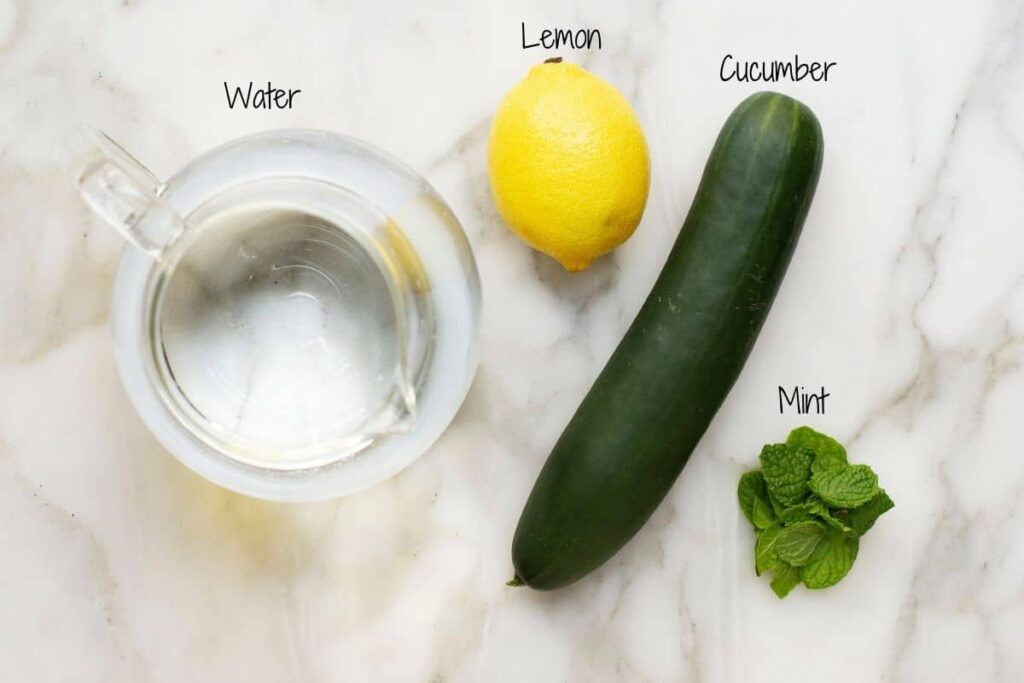
Water, Mint, Lemon and Cucumber on a platform.
Cucumber, Lemon, Mint leave

Cucumber, Lemon, and Mint Leaf Defined

Cucumbers are green-bodied, long-shaped fruits with a whitish or cream color. They are known for their unique mild taste and flavor, which popularly originates from South Asia but has now been grown across various world countries. Cucumbers are known for their rich water content and less sugar and calories, making them an excellent healthy diet. They are usually eaten raw and not subject to cooking or heating before consumption.

Lemons are citrus fruits that originate from a lemon tree harvest. They are known for their bright yellow color and originate from South Asia. Lemons are notable for their sour taste and firm acidity, which produces an alkaline impact in the body when broken down. Lemons are abundant in vitamin C and contain significant fiber and other vitamins, including potassium, folate, and vitamin B6.

Mint Leaves are green leaves from the mint plant, which belongs to the Lamiaceae family. Mint leaves are scented and known for their medicinal, culinary, and antiseptic usefulness to humans. There are various types of mint leaves, including spearmint and peppermint. They are helpful when fresh or dry, as the quality remains reasonably consistent.

Benefits of Combining Cucumber, Lemon, and Mint

The benefit of combining cucumber, lemon, and mint into one’s diet is enormous. When consumed alone, these ingredients provide great nutritional value; hence, combining them in a diet significantly boosts an individual’s health, addressing specific organs in the body system. These benefits include:

Weight Management

 Integrating this natural food promotes weight maintenance and weight loss. With its low calories and high water content, the cucumber ensures that one consumes less food by filling one with a small quantity.

The lemon in this combination helps boost the metabolism, speeding up food processing, digestion, and calorie burning. The mint leaves provide a relaxing or soothing effect on the body while performing this duty of weight control.

While cucumber, lemon, and mint leaves are significant criteria for weight loss or control, it is essential to note that this is not the perfect solution; other factors like sleep and exercise must be considered for optimal results.

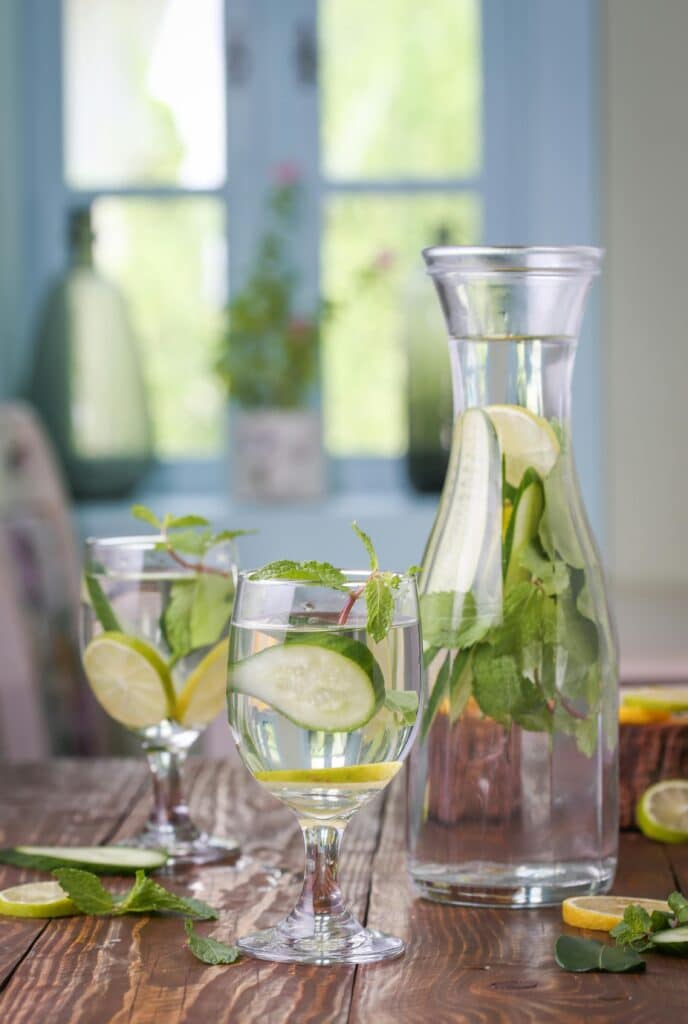
Cucumber, Lemon and Mint infused water in a transparent water and cup.
Cucumber, Lemon and Mint- Infused water

Rich Antioxidants

Cucumber, lemon, and mint leaves contain many antioxidants that are highly beneficial for overall health. These antioxidants include flavonoids, tannins, lignans, phenolic acids, Vitamin C, and rosmarinic acid.

These potent antioxidants help fight harmful body radicals, hence minimising inflammation and protecting cells from oxidative damage. They provide excellent support and defense against cellular damage, chronic diseases like heart issues, and even some forms of cancer.

Stress Relief

The taste and flavors of cucumber, lemon, and mint leaves provide a calming effect on the body. Cucumber ensures the body obtains the necessary nutrients to function, while lemon’s vitamin C helps the body respond to stress hormones and supports the adrenal glands.

 The scent of mint leaves also helps calm the body, serving as a stress-relieving agent. Therefore, this mix ensures that our emotions are in check, uplifting our mood, increasing our energy, reducing tension and anxiety, and making the brain more alert and calmer.

Hydration

Combining cucumber, lemon, and mint leaves helps keep the body hydrated. The high water content of cucumber and lemon contributes to the body’s overall hydration, while mint leaves contribute to its taste and flavor.

These natural remedies also contain electrolytes such as potassium, magnesium, and calcium, critical in maintaining body fluids. Staying well-hydrated is essential for maintaining physical and mental well-being, as dehydration can exacerbate stress and fatigue, impair cognitive function, and increase feelings of tension and anxiety.

This combination provides a perfect alternative to plain water, keeping individuals refreshed, hydrated, and complete and preventing excessive eating.

Skin Care and Health

The high water content in this mix ensures that the skin is well moisturized and highly elastic. It also assists in soothing inflammation or irritation, reducing the signs of aging and wrinkles, and fostering a more vibrant and youthful appearance.

Cucumber, lemon, and mint help eliminate skin damage, prevent symptoms of inflammatory skin conditions like acne and eczema, and protect the skin from oxidative stress caused by free harmful radicals, UV radiation, and environmental pollutants.

Although this mixture is highly effective and beneficial, it is crucial to visit the doctor when faced with prevalent skin issues and any allergies from consuming it.

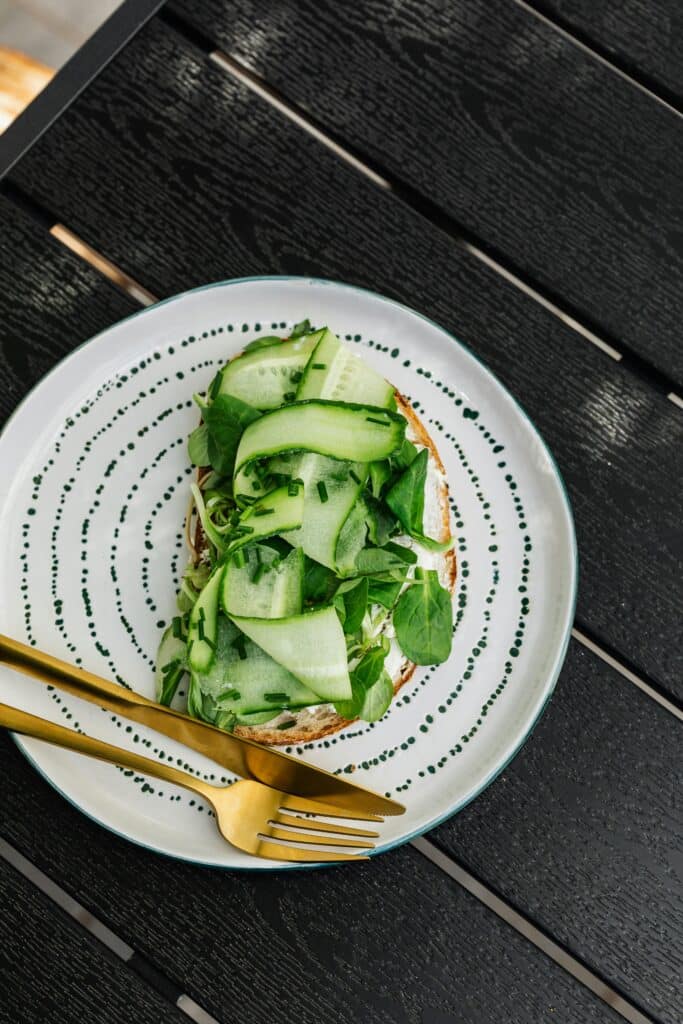
Cucumber, Lemon and Mint salad in a white plate
Cucumber, Mint, Lemon Salad

Detoxify the body

Combining cucumber, lemon, and mint leaves acts as a detoxifier, eliminating toxins and waste and supporting the digestive health of individuals. It supports the natural detoxification process in humans, eliminating bloating and unnecessary water retention in the body.

This, therefore, contributes to a healthier well-being and general positive outlook of individuals. It stimulates the necessary enzymes required for the effective functioning of the liver and kidney to foster bowel movement and toxin removal, hence preventing constipation.

Immune Booster

 The combination of cucumber, lemon, and mint provides powerful immune-boosting properties. These helps strengthen the immune system with vitamins and minerals and fight infections. This mixture also promotes the development of white blood cells and fights illnesses. Consuming this mixture is particularly important during cold and flu season or to avoid common diseases and colds.

Respiratory Relief

A combination of cucumber, lemon, and mint ensures the respiratory tract is moist. The menthol in the mint leaves also helps reduce inflammation, loosen mucus, and facilitate its removal from the respiratory tract when faced with a cold.

Additionally, this mixture eliminates stress and anxiety from the respiratory organ, minimizing the occurrence of respiratory conditions, relaxing its muscles, and improving overall respiratory health.

Fresh breath

Mint is known for its effectiveness in improving human breath. It eliminates bad breath by removing odor from within the body system up to the mouth. Combining cucumber, lemon, and mint helps keep the mouth well-refreshed and clean, boosting individuals’ self-esteem compared to others in society.

Blood Sugar Management

 Cucumber has a low glycemic index, which does not result in a sudden rise in blood sugar levels. Despite its acidic taste, Lemon has an alkalizing impact on the body and may aid blood sugar regulation. Mint may also help regulate blood sugar and insulin levels. Together, these substances can help improve blood sugar control, which is crucial for overall health, especially for people with diabetes or insulin resistance.

How can cucumber, lemon, and mint leaves be combined to suit our bodies’ needs?

Cucumber, lemon, and mint leaves can be mixed in various ways to achieve the above benefits:

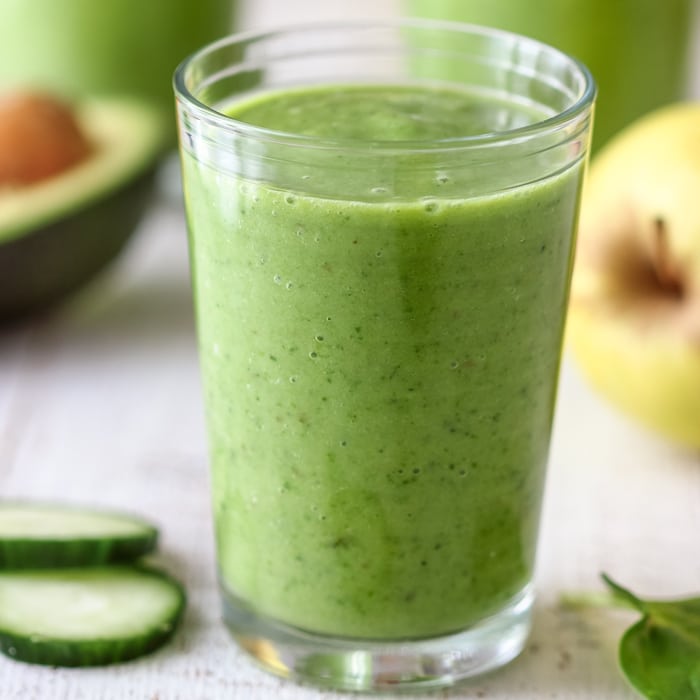
Smoothie: This combination can be blended. Throwing the fruits and vegetables into a smoothie machine and blending until smooth with little or no water is an option for introducing these natural remedies into the body.

Cucumber, Lemon and Mint Smoothie in a transparent glass.
Cucumber, Lemon and Mint Smoothie

Infused Water: These ingredients can be chopped into small pieces and placed in a jar full of water. Usually, this is kept overnight in the fridge for an effective result and drank all day the next day. This mix provides an alternative to plain water as it adds taste and flavor to the water, making you more willing to drink and providing an alternative to fizzy drinks, promoting good health and overall well-being.

Salads: Cucumber, lemon, and mint can also be eaten as salad. Cut the cucumber and mint leaves into small bites and sprinkle them with lemon juice. This combination can be eaten alone or together with other fruits and vegetables to make the salad more attractive.

Conclusion

Combining cucumber, lemon, and mint offers many potential benefits for overall health and well-being. This refreshing infusion provides hydration, essential nutrients, antioxidants, and therapeutic properties supporting various bodily systems, including the immune, digestive, respiratory, and skin systems.

Cucumber’s high-water content and nutritional profile contribute to hydration and digestive health, while lemon boosts vitamin C and antioxidants, aiding immune function and detoxification. Mint adds a refreshing flavor and offers anti-inflammatory and stress-reducing properties, benefiting respiratory health and promoting relaxation.

These natural remedies create a delicious and nutritious alternative to plain water when made together. While the specific benefits may vary for each individual, incorporating cucumber, lemon, and mint into one’s routine can contribute to overall health, vitality, and well-being.

It’s important to note that while this combination offers excellent benefits, combining it with a healthy lifestyle through eating right and observing other healthy behaviors will foster great results. Additionally, when faced with specific health conditions or concerns, visiting your healthcare specialist to address this situation is crucial and highly recommended.

Related Articles

Refreshing Cucumber Lemon Mint Water (Easy Recipe) | MariaUshakova.com

Lemon Cucumber Mint Detox Water | Delightful Mom Food Simple Healthy

read more
LifestyleGeneral

Personal Experience and Knowledge-6 Dynamic Relationships

The relationship between personal experience and knowledge remains highly dynamic and unique. These two fundamental concepts shape and inform our decisions and outcomes in life. We’ve been gathering these perspectives since birth, and we’re still doing so as we age. This article explores these concepts and how they help us remain enlightened and well-informed as we navigate life.

Personal Experience and Knowledge and its relationship. An image of two hands connecting letters together to generate an the idea.
Personal Experience and Knowledge connecting the dot

Personal Experience and Knowledge Defined

Personal Experience

Personal experience encompasses a variety of interactions, relationships, and emotions that we have accumulated as we journey through life as individuals. These experiences are highly unique and personal because they occur differently for each person. This suggests that our learnings, outcomes, and emotions are different even when we are exposed to identical scenarios or environments.

We begin to experience life differently from the moment we are born; we learn how to recognise hunger sensations and suckle our mothers for food, when to sleep and wake up, how we feel after a bath, and how to stay connected with the other family members.

This experience shapes us as we grow into toddlerhood, adolescence, and adulthood. It influences how we see and react to things and how we deal with or act on tasks or situations in our daily lives. We frequently gain these experiences only when we are exposed to them. These gatherings could range from traveling to learn about different cultures and traditions to encounters with colleagues, friends, and associates that help develop social behaviors and skills.

Personal experience can also be gained from the trials and successes we have encountered and achieved in our lives. They teach us resilience and discipline and serve as the foundation for taking the next step or action in life.  Other areas in which we gain experiences may include our culture, religion, interests, and hobbies, which help identify our place of fulfillment of purpose in life.

Knowledge

Knowledge, derived from “know,” is a formal or informal method of acquiring knowledge. It is the insight and understanding gained by combining learning and experience. We gain information via observing, inquiring, or seeking knowledge, attending school to study, and experimenting to accumulate experiences, as well as the outcomes and results of others.

Knowledge is dynamic and subject to significant change. Things are constantly evolving due to discoveries, experiences, and interactions around the world; so, to keep informed, one must remain interested and open-minded.

The pursuit of knowledge can be formalized by enrolling in a physical or online class to gain knowledge. It can also take the form of attempting to grasp an idea by conducting research or inquiring about it.

The proverb “knowledge is power” comes to mind since this concept plays a significant role in our personal development, decision-making, problem solving, and extent of growth as we embark on life’s journey.

Personal Experience, the inquisitive mindset.
The Inquisitive Mindset

How does Personal Experience impact Knowledge- The Relationship

The relationship between personal experience and knowledge is an interwoven relationship as one party relies on the other to function appropriately, hence driving growth and success in the lives of individuals. The below evaluates how personal experience and knowledge work hand in hand to foster informed decisions and actions.

Extensive Understanding

Have you ever questioned why organizations always emphasize your previous experience and background when seeking to recruit? This gives the recruiters an idea of your challenges and how you overcame them, which may influence how you perform when presented with new challenges.

Personal experiences corroborate knowledge, providing context and depth to what you already know from formal and informal learning. On the other hand, knowledge provides an understanding of concepts, processes, frameworks, and assertions. Therefore, the relationship between personal experience and expertise helps keep us well informed and provides ideas on what can be done when the actual scenario or life events occur.

Informed Thinking and Problem-Solving

Have you experienced a situation where some individuals have used some well-known theories and principles, which worked for them, but for some reason or another, you tried it the exact way they did, but it did not work for you?

Personal experience enables you to apply the various concepts you already know and observe the key outcomes, whether positive or negative, that were gathered. It fosters critical thinking and helps individuals seek other faster and easier ways to get the same or better results.

The relationship between personal experience and knowledge enables deep thinking, which brings about innovation, easier ways of solving problems, and, eventually, better, and safer environments for all to thrive in. A critical example is the creation of aircraft technology and how it has evolved to this day.

Continuous learning and Growth

Combining personal experience and knowledge allows for individual personal and professional development. Whether through trial and error, hands-on experience, or constant practice, you become way better than you were before. This experience complements the formal knowledge or theoretical understanding of concepts already known by individuals.

Embracing a lifestyle of personal experience and knowledge fosters a mindset of lifelong leanings and staying informed, providing individuals with more exposure to opportunities, self-discovery, and a life of purpose.

A blend of Personal experience and knowledge through continuous learning makes room for professional success. It makes you a force to be reckoned with in your chosen field or vocation, making room for competence, creativity, and progress in your role or responsibilities.

Personal experience and Knowledge, the potter  working on a new design of clay pot.
Action a boost of Experience

Relationship Management

We often read about how to keep a good relationship with colleagues, friends and family. However, personal experiences corroborate these learnings. It shows how we currently relate with people and helps evaluate ourselves as to how we are faring with people management.

Drawing up from the relationship between personal experience and knowledge help us to clearly understand the perspectives of others, making us less judgmental, become a better listener and more emphatic showing more love and care to others.

This fosters team spirits, promoting collaboration and partnership and ensure that the primary objective or purpose of such group or team is achieved hence promoting the fulfilment of purpose.

Confidence and Validation

Knowledge can only be confirmed or validated through personal experience when you know a concept or theory. Getting your hands dirty through personal experience confirms what you already know.

This relationship of personal experience and knowledge gives you all the confidence you need to face the next challenge or task. It gives you the assurance and courage to face the same or more incredible tasks ahead without being fearful or terrific when those trials come your way.

Personal experience and knowledge help confirm the reliability and knowledge that we already know, putting individuals ahead of their thoughts and the point of trying out other imaginations and assumptions, promoting further theories and beliefs.

Critical Reflection

Knowledge encourages critical reflection on our personal experiences. It enables the questioning of known assumptions, examination of biases, and evaluation of the reliability of their interpretations.

Through the analysis of one’s personal experiences, more reliable insights, underlying patterns, and evolving relationships are created. Hence, better principles are designed for future generations to test and evaluate.

By actively engaging with the environment and reflecting on our experiences, this duo leads to the expansion and evolution of more excellent knowledge across various fields and disciplines.

How to further Enhance my Personal Experience and Knowledge Capabilities

After examining the relationship between personal experience and knowledge and its need for constant life development, it is clear that we must constantly build our experience and knowledge bank to make more informed decisions and take action. The following list depicts how one might strengthen these qualities, resulting in a more fulfilling life.

Personal Experience and Knowledge the power of like minds. A group of people reading and actioning their learnings.
A Network
  • Curiosity mindset: We should constantly yearn for knowledge in various fields, exploring, discussing, and discovering new insights, inventions, and Innovations.
  • Stay Humble: Being humble allows you to recognize that no matter how much experience and knowledge you have, you cannot know everything. This makes you open to learning from people of different ages and backgrounds, allowing you to improve constantly.
  • Acknowledge Failure and Its Concept: It is important to see failure as an opportunity to learn and grow, as opposed to staying there and wallowing in self-pity. When you fail at something, you get back up, review your past experiences, and try other approaches to getting things done.
  • Stay Updated: No matter the extent of knowledge and personal experiences you have had in the past, if not correctly greased, they will become stale or extinct. Hence, one should prioritize continuous learning and personal and professional development to stay informed. This could take the form of attending a workshop, a course, or even reading a newsletter, some research journals, or other publications to stay informed about the current happenings across various topics.
  • Celebrate Yourself the More: You don’t need to wait for others to start appreciating you before acknowledging your wins. It is vital to appreciate yourself on the journey and recognize all the small wins achieved, even in the process of achieving your goals. This provides an excellent motivation for your subconscious mind to proceed, leading to the attainment of goal sets.
  • Practice a healthy Lifestyle: It is important to practice self-care by sleeping well, eating right, exercising, or regular movement of the body, engaging in fun activities like vacations, and spending time with people that matter to you. This helps you manage your emotions, stay focused, and be more self-aware about occurrences in your life.
  • A Network: Having a network of people with similar ideas as you do or who are driven by your same core focus ensures that one gathers more than enough experience and knowledge in a particular area or field. This also gives room for mentorship, which enables learning from other people’s experiences and getting the opinions and perspectives of others.
  • Give room for Reflection: Sometimes, we get carried away by doing and actions, neglecting the power of reflection. Creating time for reflection helps you analyze your positive and negative experiences and apply your learnings to future occurrences.
Personal Experience and Knowledge.  A board with a writing -Self care isn't selfish.
Self Care

Frequently asked questions

  • What is the difference between personal experience and knowledge? Personal experiences are personal encounters derived from doing or watching a specific event happen, while knowledge is information, skill, and understanding gained through learning, experiences, and study.
  • -Is Personal Experience a subset of Knowledge Gathering?  Yes, one way we acquire knowledge is through participation and obtaining hands-on experience with tasks and activities we are set to do.
  • -What is the role of reflection in consolidating knowledge?  Reflection is crucial in ensuring that we derive more meaning and in conceptualizing our learnings and results as they occur.
  • – Do other people’s experiences make up your own experiences?  No, personal experiences are indeed personal to you. However, one can learn from the experiences of others, thereby improving one’s knowledge of a subject matter.
  • -How do Personal Experience and Knowledge shape the future?  The relationship between personal experience and knowledge helps validate principles and theories and create new assertions and findings, contributing to the future’s body of knowledge.
  • In summary, the relationship between personal experiences and knowledge is unique, shaping our understanding of the world and the events embedded in it. This synergy must be embraced by all to have a well-fulfilled and engaging lifestyle dominated by growth, learning, understanding, and effective decision-making. Hence, it leads to life’s success and a curious future world.

Related Article

What Is The Relationship Between Personal Experience And Knowledge (relationrise.com)

read more
GeneralLifestyle

Are Sweet Potatoes Gluten Free? 7 Essential Component

Are sweet potatoes gluten free? Sweet potatoes are a root-based vegetable known for their distinct taste and qualities. A comprehensive review of sweet potatoes’ properties clarifies whether they are gluten-free.

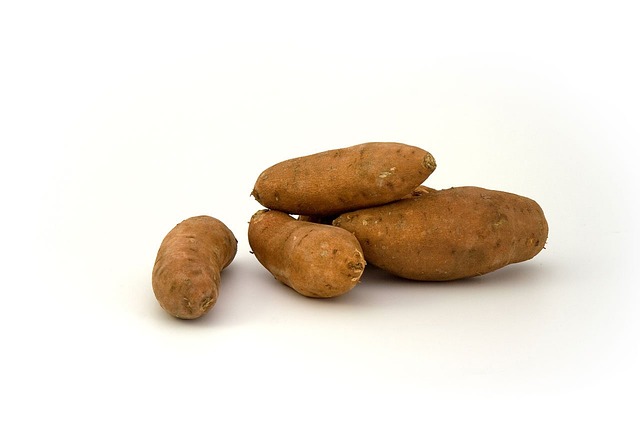
Are sweet potatoes gluten free. Brown sweet potatoes on a white base.
Brown Sweet Potatoes

Sweet Potatoes

Although sweet potatoes taste pleasant and could be mistaken for fruit as a result of this taste, they are vegetables rich in various nutrients and chemical compounds. Research reveals that Sweet potatoes must have originated in Central or South America a few decades ago, and their cultivation has expanded to many parts of the world, including Japan (Asia), Africa, and other continents.

The sweetness in sweet Potatoes’ adds a unique flavour and quality to a variety of cuisines, with appearance ranging from orange to brown or cream or purple depending on the region of its origin as well as the farming and harvesting method.

Are sweet potatoes gluten free? This remains a primary concern for individuals who are gluten intolerant, ensuring that their meals are gluten-free to prevent allergies or adverse effects from consuming gluten-containing products.

Gluten Foods

Gluten products contain glutenin and gliadin, proteins found in wheat, barley, or their derivatives. Meal gluten is typically responsible for the texture and rise in baked or fried foods. Gluten food is not a problem but can pose adverse reactions and discomfort to individuals with gluten intolerance.

Consuming gluten-free food in these individuals ensures that they are free from Celiac Disease, which is an auto-immune disorder that can cause damage to the linings of the small intestine; some others do not test to this disease, hence showing that they are non-sensitive to this disease but end up experiencing bloating, stomach pains, fatigue, and headaches. Having gluten in meals could be mild in some and severe and well-pronounced in others, affecting their breathing and causing hives and swellings in individuals.

 Are Sweet Potatoes Gluten Free? Its Properties

Are sweet potatoes gluten free? Therefore, knowing whether sweet potatoes are gluten-free is highly recommended, as some individuals experience these symptoms and must exercise caution at every eating point to stay in good health. Individuals who have the potential to suffer from gluten-related issues need to be aware of any source of gluten in their diet. The properties of sweet potatoes include:

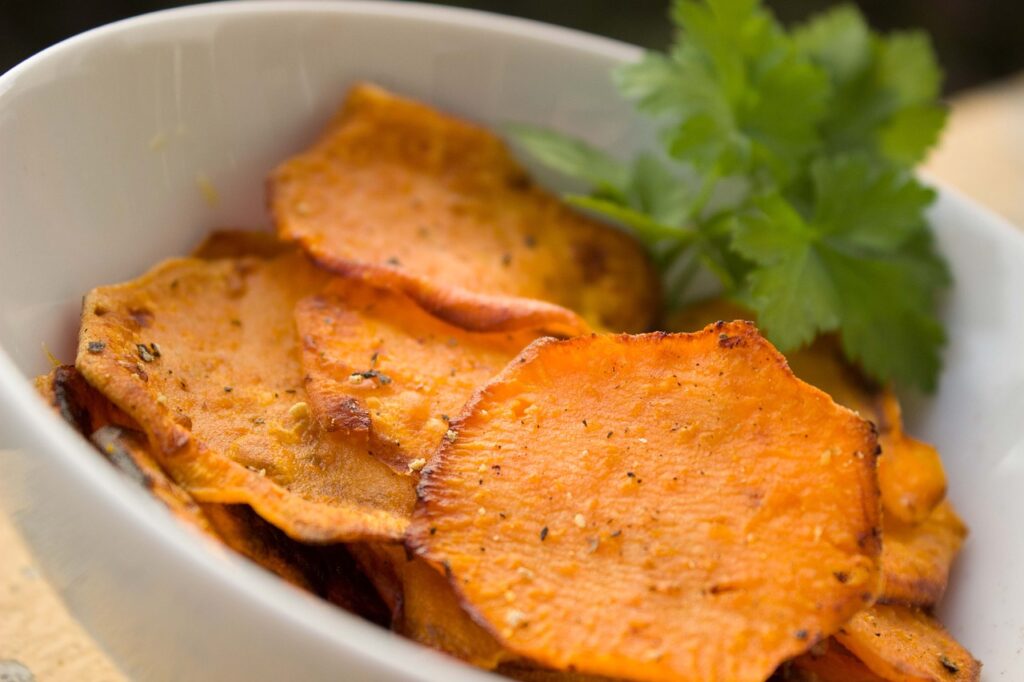
Sweet potato chips in a white bowl with little leaves on the side. Are sweet potatoes gluten free? Suitable for all.
Sweet Potato Chips
  • Fiber

One excellent source of fiber is the sweet potatoes. Sweet potatoes are a magical food that should be a part of everyone’s diet, regardless of age, because of this primary substance. Sweet potato fiber helps with efficient digestion by encouraging regular bowel movements and averting constipation or hemorrhoids.

Sweet potatoes’ fibers keep the body full, which helps people regulate their appetite and get rid of cravings. As a result, they can be the leading food that helps people lose or maintain weight.

The fiber in sweet potatoes helps prevent spikes in sugar levels, just like the inclusion of vegetables in rice, as it slows down the absorption of sugar in the bloodstream, hence regulating insulin sensitivity. Fiber also helps reduce the risk of developing diseases like heart disease, some cancers, and diabetes, thus improving overall gut health and general well-being.

  • Carbohydrates

Sweet potatoes provide complex carbohydrates in nature, which help release the consistent energy required for daily tasks, minimizing tiredness, and keeping you energized all day. This carbohydrate comprises starch with some sugar and dietary fiber needed for the body’s health.

The sugars in sweet potatoes help meet the body’s sweet tooth needs, keeping one satisfied while enjoying all the nutritional benefits of this meal.

  • Protein

Are sweet potatoes gluten free? Yes. Sweet potatoes contain some protein; while this protein is not exceptionally high in sweet potatoes, these proteins do not have the glutenin and gliadin components found in wheat and barley. Although not completely rich in protein, consuming potatoes with other proteins like fish and chicken could help attain the daily protein levels needed for the body to function.

This protein helps support muscle health by repairing, building, and maintaining the muscles. They also ensure that the body absorbs the nutrients in the sweet potato meal, causing a feeling of satisfaction and delight and reducing hunger pangs, therefore enhancing weight management.

  • Vitamin A

Sweet potatoes contain a high level of beta-carotene, which, when absorbed into the body, generates excellent amounts of vitamin A. Including sweet potatoes in one’s daily meal can provide all the daily Vitamin A needed for the body to function appropriately.

Are sweet potatoes gluten free? Yes, the vitamin A in sweet potatoes is an antioxidant, helping fight harmful radicals in the body and, as a result, protecting the body from inflammation and other chronic diseases. This vitamin also supports bone formation and the maintenance of bone density in the body.

The vitamin A in sweet potatoes also plays a significant role in fertility, supporting both the male and female organs and the development of the fetus in the womb when pregnancy takes place. Sweet potatoes also contribute to eye health, preventing night blindness and supporting the production of white blood cells, which help to fight against various infections and diseases.

  • Vitamin C

Are sweet potatoes gluten free? Yes. Sweet potatoes are rich in vitamin C, containing about 20% of the daily vitamin intake requirement for the body to function, although not necessarily as high as that of Vitamin A in this same vegetable root.

Boiled Sweet potatoes placed on an aluminium foil with sprinkled spring onions
Boiled Sweet Potatoes

Vitamin C is generally known for its immune-boosting properties and antioxidant protection, supporting the body from various infections and diseases. Reducing the occurrence and severity of colds, flu, and other respiratory diseases that could arise in individuals.

The vitamin C in sweet potatoes also helps significantly in cognitive reasoning, ensuring that the brain health of the aged adult remains intact, protecting the brain cells from oxidative cells and contributing to the overall brain health of humans.

  • Potassium

Sweet potatoes contribute to the daily required potassium levels for the body to function. These electrolytes help regulate the blood pressure and vessel walls, minimizing the risk of heart attacks and stroke.

Are sweet potatoes gluten free? Yes, Potassium in sweet potatoes also plays a critical role in balancing fluid levels and regulates water movement, ensuring that the body stays hydrated. This potassium also ensures the proper functioning of the nervous system, thereby eliminating nervous disorders in both the young and old.

Additionally, potassium in sweet potatoes helps promote the excretion of excess salt and reduction of calcium through the urine, thereby minimizing the occurrence of kidney stones and supporting and maintaining a proper bone nutrient for a healthy and robust individual bone. Therefore, including sweet potatoes in one’s diet ensures one can attain the daily potassium nutrients needed for the body.

  • Manganese and Copper

Are sweet potatoes gluten free? Yes. Sweet potatoes include additional antioxidant enzymes such as ceruloplasmin and superoxide dismutase, which stabilize the body against free radicals. They also aid in the body’s movement and utilization of iron, boosting tissue creation and adding to nervous health and value, increasing overall health.

  •  Other Vitamins

Sweet potatoes, when cooked alone, also possess traces of vitamins B, E, and K, which play a significant role in converting carbohydrates to energy, promoting moisture retention in the skin, preventing excess bleeding in wounds, and promoting wound healing.

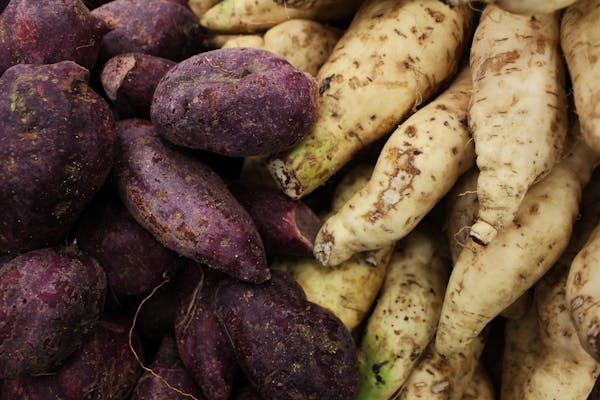
Image showing variety of sweet potatoes option. The Japanese and brown potatoes.
Japanese and Brown sweet Potatoes

 Are sweet potatoes gluten free? Yes. Even with the small quantity of these vitamins, there is still no evidence of the gluten proteins embedded in the sweet potatoes.

Therefore, sweet potatoes are a great nutritional option to include in one’s diet, ensuring that one gets more than enough nutritional value while consuming their meals. Sweet potatoes are also considered essential vegetable roots that contribute to eating your drugs and preventing several illnesses.

How To Keep a Sweet Potatoes Meal Gluten Free

Are sweet potato gluten free? Yes, while preparing a sweet potato meal for gluten-intolerant people, following the steps outlined below is critical to avoid the food becoming gluten-infested during preparation.

  •  Buy raw and fresh natural vegetable root tubers from the store and slice them for meal preparation to ensure that no gluten-containing component or ingredient has been preserved.
  • When purchasing chopped and pre-packaged sweet potatoes from the supermarket, please review the nutritional value and components to ensure they are gluten-free, as some of the additives used to preserve these foods may include gluten.
  • Sweet potatoes are often not eaten alone but combined with sauces, herbs, and spices, so it’s crucial to ensure they are equally gluten-free.
  • If you have a gluten-intolerant person in your home, consider using separate cooking utensils to avoid integrating gluten into a gluten-free dish.
  • Making sweet potato meals using simple culinary procedures such as boiling, baking, roasting, or air frying in their natural condition could also ensure that the sweet potato dish is entirely gluten-free.
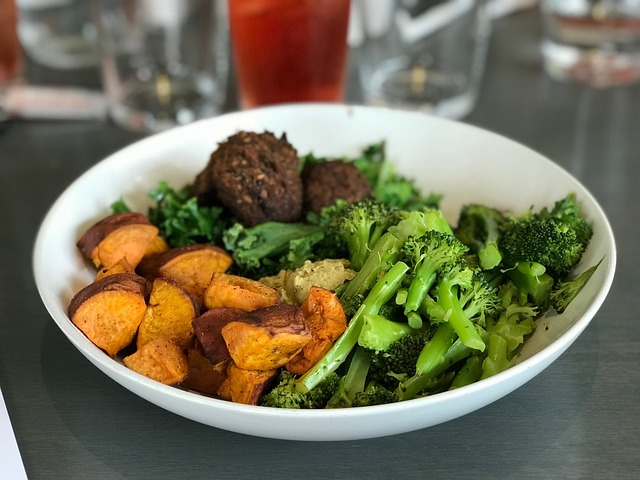
A healthy sweet potato meal which includes sweet potatoes, Broccolis and meat balls.

Frequently Asked Questions

-What types of gluten-containing foods should gluten-intolerant individuals avoid? Glutenin and gliadin-containing proteins like wheat, barley, rye, and some processed foods.

– What sweet potato meal options are available if I want to be creative? Sweet potatoes can be prepared in various options, including sweet potato soup, baked potatoes, fries, and pancakes.

-What are the different potato alternatives available? These are the white sweet potatoes, orange sweet potatoes, Japanese sweet potatoes, and Hannah sweet potatoes.

– Are sweet potatoes helpful in weight loss? Due to their properties, sweet potatoes are suggested as part of a weight loss diet. However, moderation is vital to achieving the best results.

– Can I eat the sweet potato skin? Yes, the skin of the potatoes is healthy and highly nutritious when adequately cleaned up before consumption.

-What are other gluten-free natural options aside from sweet potatoes? Some other gluten-free foods include rice, corn, quinoa, sorghum, and others.

Are Sweet Potatoes Gluten-Free? – The Trellis

Are Sweet Potatoes Gluten-Free? Get The Facts 2024 (healthcanal.com)

read more
GeneralLifestyle

Unique Raw African Shea Butter: Benefits and Features

The raw African shea butter is powerful and useful fat that has been in existence for many decades. I have known the Shea butter to be a magical oil that possesses healing and protective property hence one item to always have available in the household at its unrefined state.

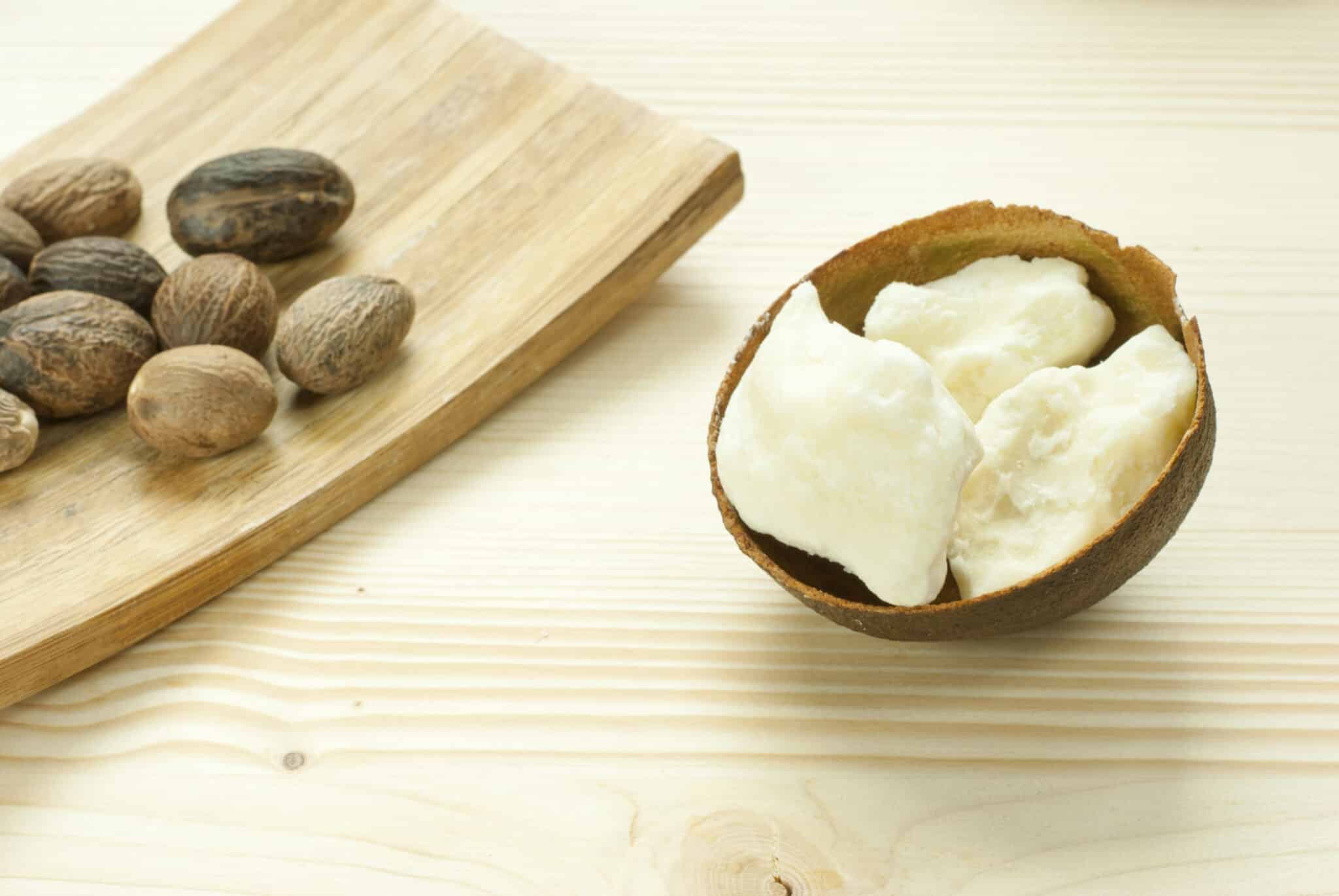
Raw African Shea Butter in a local bowl and Nuts on a brown board.
Shea Butter and Nuts

Introduction

The African raw butter is a native natural oil generated from processing African Shea nuts. This powerful plant-based product is well known to be highly valuable primarily manufactured in the western part of Africa in particular countries like Ghana, Burkina Faso and Nigeria.

Raw African shea butter are extracted from shea nuts obtained from shea fruits harvested from shea trees also known as Bambara tree. This is usually achieved by harvesting a couple of shea nuts subjects to heating with shafts and oil separated for use.

This vegetable fat is usually creamy yellow or light ivory brown color in its natural state, with a nutty not so pleasant smell compared to fruit or vegetable generated oils. Raw African shea butter are highly rich in Vitamins and fatty acids which is considered useful for the human’s overall health.

Although some individuals consider this vegetable fat to be useful for cooking meals and dishes, it is most popular for its use in the external part of the body. Personally, I have never thought of using this in preparing a meal because of its not so pleasant smell, however back in West African history (Benin) has is to have been used for making traditional dishes. The raw african shea butter is popularly known as a skin care or hair care product providing a positive effect on the body.

Composition of the Raw African Shea Butter

One product I have consistently used daily in the past years is the Raw African shea butter, this is as a result of the enormous benefits I get from this locally made product. The below represents the properties of the amazing African shea butter.

Vitamins

The African raw shea butter is highly rich in varieties of vitamins that is beneficial promoting a positive outlook on the body. These vitamins are known to nourish and protect the skin provide a vibrant result on the skin and Hair.

The raw african shea butter is known for its richness in vitamin A which revitalizes the skin hence improving its texture and pigmentation. The vitamin E protecting the skin from radicals and environmental stressors hence acting as antioxidants to the body. The vitamin F also present aids hydration, moisturization and elasticity of the skin.

This vitamin generally improves the appearance and health of individuals providing a radiant look and by protecting and improving the skin and hair health.

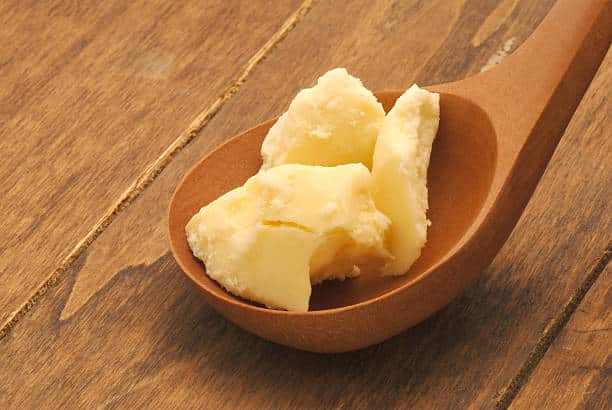
Raw African Shea Butter in a brown African local serving spoon.
Shea Butter, African natural cream

Fatty acids

 African shea butter is rich in a variety of fatty acids which include primarily the Oleic and Steric acids accounting for about 80% of the entire fatty acid components protecting the outer skin surface, hydrating and contributing to its texture and feel.

Other fatty acid components present in the raw african shea butter includes the palmitic acid and the Linoleic and arachidic acid adding to the emollient, hydrating, nourishing, and protective quality of the african shea butter.

Phytosterols

 These are cholesterol like natural compounds found in plants, which help strengthen the natural skin state. They possess anti inflammatory properties which protects and soothe the irritation or discomfort from the inflammation of sensitive skins.

This property also ensures that the skin is protected from oxidative stress and premature ageing due to its antioxidant properties. This also helps alleviate conditions such as eczema, dermatitis.

Polyphenols

Just like in honey and Olive oil, the raw African shea butter contains the polyphenol which possesses a level of antioxidant properties protecting the body from the ultra violent rays of the sunlight and other environmental factors that can cause damage the skin health.

The polyphenol presents in raw african share butter is small compared to other oils, and other components like fatty acid and vitamins, however it still provides a great cover on individuals overall skin health.

Triterpenes

This provides anti microbial properties that helps to protect the skin against bacteria and fungi hence reducing the risk to harmful infections. Triterpenes also possess anti inflammatory and antioxidants properties reducing swellings, redness, or sores in the skin.

The triterpenes in shea butter contributes to its therapeutic value in managing individuals skin health.

Benefits of the Raw African Shea butter

The raw african shea butter is super beneficial oil to the human race, It is considered a core most haves in homes. The below indicates the exhaustive benefits of this powerful vegetable fat to the body. They include:

A full pot of shea nuts ready for heating.
A pot of Shea Nuts

Wound Healing

Raw African shea butter promotes the healing of wounds as a result of its emollient properties that makes the wound area very soft and smooth. It helps reduces itching and dryness and prevent pain and discomfort during the healing process.

The triterpenes and phytosterols help reduce inflammations and swelling around the wound making the healing process easier and more tolerable to deal with. The collagens present in raw African shea butter promotes quick formation of tissues around the wound site leading to faster healing.

I personally have used shea butter occasionally on wounds as a result of home accidents and the healing process is some what soothing and faster compared to the use of some other organic product keeping the wound moisturized and protecting the wound from external irritation and pathogens.

Generally, the raw African shea butter promote the quick healing of wounds, however it is essential to consult the health care professionals for proper wound treatment especially for severe, large and infected wounds. The shea butter can be used along side every treatment provided by these professionals.

Hair and Scalp Nourishment

The raw African shea butter is a go to for not just the various hair types but also the scalp of humans. It deeply moisturizes and hydrates the hair and scalp preventing it from dryness, irritation and breakage hence making it healthy and nourished.

It helps cure scalp problems like dandruff and eczema due to its anti-inflammatory properties shielding the hair from excessive sunlight, harsh weather conditions and pollutions from the environment.

I personally use this on my hair, and I have visible result to attest to this power of the raw gift of nature. Raw African shea butter are most valuable in maintaining a health, fitness and strength the hair, keeping it bouncy, moist and well protected daily.

Anti Ageing Functionality

The Vitamin A and E in the Raw African shea butter help prevent free radicals that can add to skin ageing. It helps improve the skin tone and texture reducing the appearance of wrinkles and promoting intense hydration and skin elasticity.

It also fosters skin regeneration and repair healing all the damaged skin cells. Hence, giving you a flawless, radiant, and youthful complexion free of spots, hyperpigmentation, and blemish.  

Scar Removal

One simple way to eliminate scars from the body is the use of the raw African shea butter, the application on affected area should be done religiously and consistently for about one to two months to see the magical effect on the affected area.

Although might not remove the scar completely it helps make them fade off and less noticeable. If you have concerns about a severe scar, it is still important to consult a dermatologist for personal advise and fast treatment options especially is the scar location is visible and keeps you uncomfortable.

Prevents Skin Dryness

 The properties in the raw African shea butter keeps the skin hydrated. Hence preventing dryness and parches on the skin. It helps replenish the natural oils and lipids of the skin and restoring suppleness and elasticity of the skin.

The raw African shea butter helps relives dry, rough, and flaky skin preventing you from looking unkept or tacky.

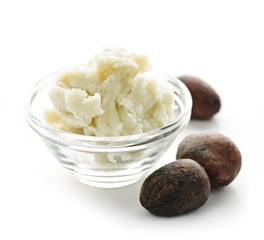
African Raw Shea butter in a transparent bowl with three shea nuts on the side.
Shea butter a gift of Nature

Natural Skin Care product

The raw African shea butter is a natural skin product completely free from chemical and other skin care component that can provide immediate help but end up leading to future skin issues, damage or even severe cancers.

It is completely safe to use and sets you free from worries about resultant effects that could arise from the use of processed skin care products.

Massage and Therapy

Raw African shea butter is used in massage therapy for its nourishing and oiling effect on the body. They help repair and rejuvenate the skin during massage therapy making the making experience more relaxing and enjoyable.

Long lasting

 Once the raw African shea butter is stored properly in a cool place is can last of a very long time, they can last for 2-5 years compared to some other skin care product which could expire in one or two years.

Refrigerating raw African shea butter can help extend its shelf life in areas of hot climate and keep this natural product in an airtight container can also ensure that its components are protected till usage.

Versatility

The raw African shea butter is highly known for its various uses on both the skin and hair when used in its natural state. There are also known for their use in the production of varieties of skin care products, hair creams, lip balms, cosmetic products like concealers, foundations, and others. They are also used in making massage products, sunscreens, and some bathing soaps.

Frequently Asked Questions

  • What can I mix with shea butter to manage its not too pleasant nutty scent? Coconut oil, Jojoba oil, Olive oil and Avocado Oil.
  • How should I store the raw African shea butter? This should be stored in a cool dry place between 10 and 20 degrees in order for the shea butter to maintain its nutrients.
  • Is the raw African shea butter suitable for all skin types? Yes, however individuals with nuts allergies should exercise caution when it is to be used because of triggers from its nutty scents.
  • Can I use shea butter as my primary sunscreen? Yes, however solely relying on this might not completely protect you from the sun. Hence a combination of shea butter and other sunscreen products is recommended.
  • Can I apply shea butter on a surgery wound to heal and clear off scar? Generally, yes, however consult with your doctor to understand if there are other care alternatives that could provide faster and more beneficial healing to you.
  • Does the use of the raw African Shea butter have any side effect on the body? No, as this is a plant based natural product with no chemical or additives included.

Related Article

Shea butter – Wikipedia

What Is Shea Butter? 22 Benefits, Uses, and Products to Try (healthline.com)

Shea butter benefits: Face, hair, skin, scars, and more (medicalnewstoday.com)

read more
GeneralLifestyle

Unlocking 8 Health Benefits of the Magic Trilogy: Olive Oil, Honey, and Lemon

The health benefits of olive oil, honey, and lemon are a unique combination that ensures the maintenance of a good and healthy lifestyle; it ensures that an individual has more than enough energy to get through the day, and it prevents you from feeling sick and spending a lot of time in the hospital for illnesses that you could avoid.

Health Benefits of Olive Oil, Honey and Lemon.

INTRODUCTION

In recent years, the significance of natural medicines in encouraging a healthy lifestyle has grown in popularity and attention worldwide. Embracing natural remedies is highly beneficial, with little or no adverse effects compared to processed medications. These natural remedies have provided multiple benefits, thereby reducing the occurrence of various illnesses and keeping people in excellent health.

Natural recipes used in these developments include olive oil, honey, and lemon, which have improved people’s overall health and well-being over time. Combining these components has proven significant benefits, creating a healthy nutritional option when used as part of a meal or as a natural remedy.

Before we get into the health advantages of this perfect trio, let’s take a brief look at the goods, their composition, and where we can get these natural products:

Olive Oil

Olive oil is a natural liquid fat extracted from the olive, a fruit of the olive tree. Olive oil, a superfood containing around 73% monounsaturated fats, originated in the Mediterranean. Monosaturated fats, commonly known as oleic acid, are proven to boost heart health, lower bad cholesterol, and reduce the risk of cardiovascular disease.

 Olive oils are the cornerstones of Mediterranean cuisine, cherished for their taste, flavor, and rich nutritional value, reflecting cultural abundance, energy, and hospitality.   Because of its resistance to high heat, it is regarded as a healthy, valuable oil for cooking, roasting, frying, baking, and salad dressing. They are frequently manufactured in Spain and in Italy and Greece.

Particularly well-known for their abundance in antioxidants, vitamin E, and polyphenolic compounds, olive oils also have antibacterial, anti-inflammatory, and antioxidant qualities that protect cells from oxidative damage and inflammation, thereby reducing the risk of stroke or other types of cancer, enhancing the immune system, and enhancing overall wellbeing and health.

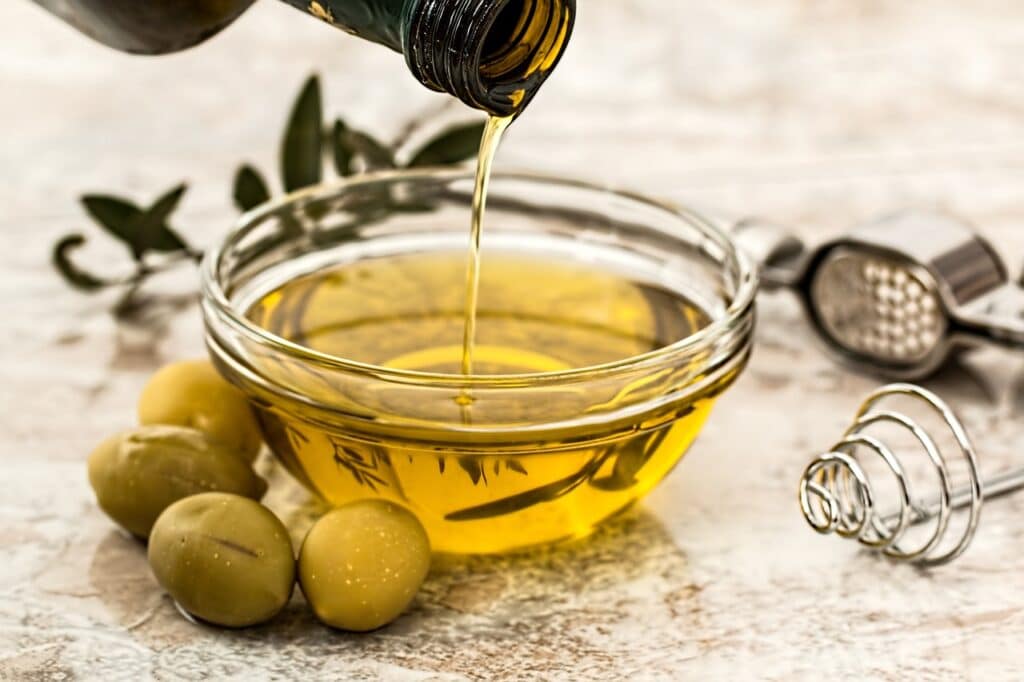
Olive Oil squeezed  from the Olive Fruit in a bowl.

Honey

Honey is a sweet natural liquid substance that honeybees generate from plant nectar. This liquid emanates from a bee colony gathered for food preparation and medicinal use by humans.

Although individuals find a natural sugar substitute in honey, it is also a rich source of antioxidants such as flavonoids and phenolic acids and contains vitamins and minerals. Beyond the benefits of eating honey in beverages, cooking, marinating chicken, and salad dressing, they also serve as ingredients in soaps, body lotions, and massages because of their medicinal therapeutic value.

Honey, like olive oils, has cultural worth and significance. This liquid symbolises wealth, happiness, abundance, and prosperity across many traditions—honey production cuts across numerous parts of the world. While the United States, China, and Canada are known for their high production of honey, the Mediterranean region, such as Spain and Italy, is famous for high-quality honey production, with taste dependent on sweetness profile, floral source, and expectation of quality, contributing to a diverse range of taste in the honey market.

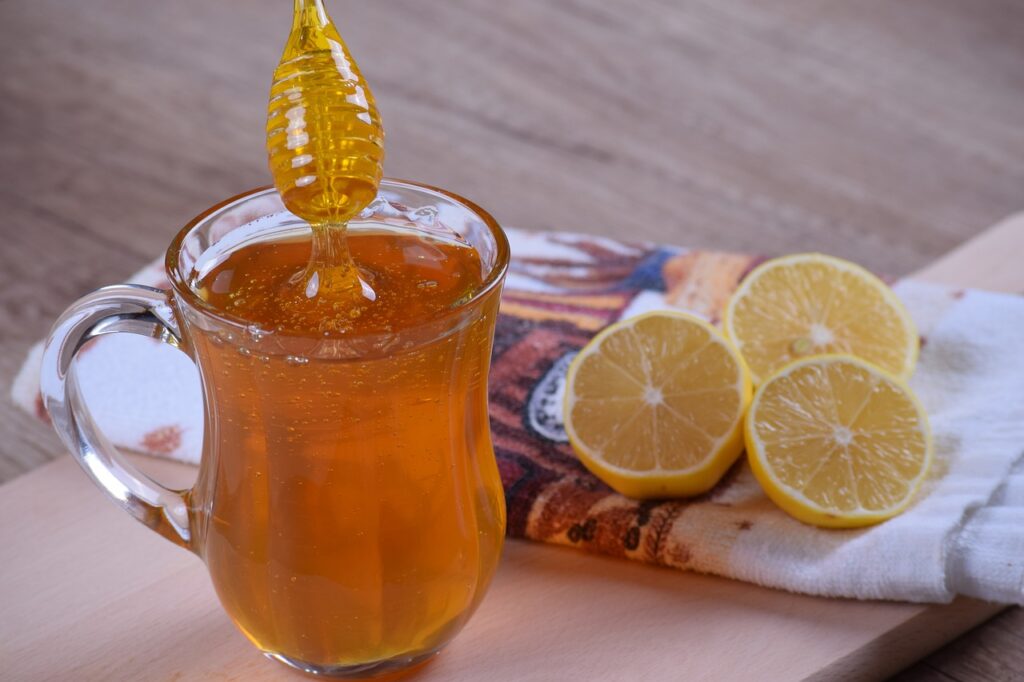
A Honey cup with three slice of Lemon on a towel on the table.

Lemons

Lemons are citrus fruits that originate from a lemon tree harvest. They are yellow, acidic fruits originating in South Asia, specifically Northeast India. Lemons are notable for their sour taste and firm acidity, which produces an alkaline impact in the body when broken down. Lemons are abundant in vitamin C, an excellent antioxidant that strengthens the immune system; they also include significant amounts of fiber and other vitamins, including potassium, folate, and vitamin B6.

Lemons are well-known for their use in preparing lemonade, spice in cooking meats, marinating fish, producing salad dressings, and baking cakes and other baked snacks and desserts. Aside from their culinary advantages, lemons are helpful in the home because of their acidic characteristics, which make them excellent cleaners. The lemon skin is also beneficial in freshening and scenting the air inside the homes.

Lemons are helpful for skin health and are used as an ingredient in several soaps and body treatments, adding therapeutic value both inside and externally in people’s lives.

The Health Benefits of Olive Oil, Honey, and Lemon

These natural remedies are powerful when consumed alone, so combining Olive oil, honey, and lemon significantly boosts an individual’s health, addressing various health conditions while also making a delightful, nutritious, healthful substitute for cooking and as a natural remedy. This magical triad provides the following health benefits:

Weight Management

 Sustaining and maintaining one’s weight is a fundamental goal as we strive for a healthier lifestyle. The cliche “you are what you eat” resonates here because what you weigh is determined mainly by what you put in your mouth. 

A balanced diet that includes veggies, whole grains, and healthy grains should be a priority. Olive oil gives this healthy fat when used in delicacies; honey provides a pleasant taste with little or no negative health impact when used in moderation, and lemon provides flavor to meals without adding excess calories, hence managing a person’s weight, and preventing obesity.

This magical trio is essential for health since it aids in speedy food digestion in the body, promotes intestinal health, and ensures that the valuable nutrients in the food are received. At the same time, it readily expels unwanted items from the body.

Antioxidants and cardiovascular health

Olive oil, honey, and lemons are rich in antioxidants, which help to improve the general wellness of individuals. The monosaturated olive oil lipids, flavonoids, and phenolic acids in honey all contribute to cardiovascular health, minimising the risk of heart disease and stroke; lemon vitamin C promotes healthy blood vessels and purifies the blood in the human body.

These antioxidants generate molecules that help combat and neutralise damaging free radicals in the body, linked to several kinds of health ailments including cancer and diabetes, as well as lowering oxidative stress and minimising cell and tissue damage.

Anti-Ageing Properties

Vitamin E in olive oil, Vitamin C in lemons, and the antibacterial compounds in honey help fight skin infections. These vitamins help minimise wrinkles and skin damage caused by exposure to sunlight.

They moisturise the skin and treat the hair, adding brightness and a happy and lovely outlook to the individual.

This blend also protects the brain health of the elderly, lowering the incidence of dementia in older persons.

Immune and Energy Booster

This remarkable combination of ingredients helps to offer the human body an effective immune boost. A blend of olive oil, honey, and lemon boosts energy levels, prevents exhaustion, and promotes focus and alertness, improving everyday productivity and overall well-being.

The lemon in this combo also helps the immune system fight infections, colds, and flu symptoms by boosting the creation and activation of white blood cells, which help the body defend against pathogens. This mixture keeps the body hydrated while giving necessary nutrients and respiratory support, ensuring a healthy lifestyle.

Detoxification

 A blend of these three components acts as an excellent detoxifier, cleansing the body by eliminating toxins from the liver and purifying red blood cells. This reduces bloating in the stomach as well as improper liver function in adults.

When used as a natural remedy, one or two tablespoons of this mixture are placed into a cup of water and consumed on an empty stomach to help heal the body and promote overall wellness.

Prevention of Kidney Stone

Kidney stones are tiny lumps of waste that crystallise and form solidified fragments within the kidney. These compounds include calcium, oxalate, and uric acid, which crystalize and accumulate in the kidney. A mixture of olive oil, honey, and lemon breaks these substances down through the citrate component present in citric acid, preventing kidney stones and boosting urine volume and rate of urine.

This is a preventive approach, not a medical treatment that addresses renal health concerns. When you are concerned about how to deal with a kidney stone problem, please visit the hospital for a proper diagnosis and practical evaluation of the condition.

Cold, Sore Throat, and Cough Remedy

This combo is a natural solution to cold challenges. The recipes were additionally recognised as fundamental ingredients in cough and cold syrup because they soothe coughs and sore throats and relieve allergies due to anti-inflammatory effects while providing additional throat coating traits.

Relief Constipation

 When combined, this trio has a laxative effect, making it a safer option than over-the-counter medications for constipation. It softens the stool and ensures it goes out of the body.

This combo requires the following ingredients.

When taken as a natural remedy, mixing this recipe with a cup of warm water is ideal; however, when used for cooking, the quantity may vary according to the desired taste and would not require a cup of water.

These ingredients include:

Half Round Lemon 

One tablespoon of Honey

One tablespoon of Olive oil.

Olive Oil, Honey and Lemon as a Salad dressing.

Combining the three miraculous superfoods, olive oil, honey, and lemon, delivers enormous benefits and a nourishing flavor to people’s general well-being. They provide flavor to dishes and include a variety of nutrients with high antioxidant, anti-inflammatory, and antibacterial qualities that benefit human health in general.

 We should include this combination in our regular meals, with moderation in the amount ingested prioritized above all else. Incorporating this trio into one’s daily diet and other healthy lifestyle choices promotes well-being and energy.

Frequently Asked Questions

-How can I cook with olive oil, honey, and lemon? You can use this combination for dessert baking, salad dressings, marinating meat, and beverage preparation.

What is the frequency of consumption for this combination? One can take a cup mixed with water daily if taken as a natural cure.

-What time of day may I have an olive oil, honey, and lemon drink? You can have this at any time of the day. However, research has shown that for some people, it works best when consumed on an empty stomach.

-Is there anything harmful with drinking this? No, however, moderation is essential. When consuming anything, be aware of any sensitivities to determine whether it’s healthy.

-What advantages does this combination offer in addition to health benefits? This chemical helps make dishwashing detergents and air fresheners, which help to keep homes tidy and livable.

-What age is it okay for me to eat this mixture? All ages, from young to old, can drink it as long as one does not consume it in excess. The key is moderation.

Related Article

What is the benefit of olive oil lemon and honey? – Chef’s Resource (chefsresource.com)

Olive Oil and Lemon Juice: Myths, Benefits, and Downsides (healthline.com)A GLASS OF HONEY, LEMON & OLIVE OIL WATER EVERY MORNING — Kardamas

read more
GeneralLifestyle

Is Kale a Seaweed?

Is Kale a seaweed? Kale is a cruciferous, earthly-based, leafy, green vegetable. This superfood is highly rich in nutritional density and known for its low-calorie content, which is crucial for good health.

Is Kale a Seaweed? No. This is an earth-based leafy vegetable while  a seaweed is a marine algae.

Introduction

Kale has a long history dating back to over 2000 years. The cultivation of Kale in the United States increased due to its hardness and nutritional value. Kale is a plant (Brassica oleracea var. acephala) in the mustard family, having dark green, spreading, usually crinkled leaves, which we eat as a vegetable. Also called borecole, cole, colewort Kale vs. Seaweed: What’s the Difference?

Kale is known for its numerous health benefits and the various ways it can form part of a diet and meals. We can conveniently add Kale to smoothies, salads, vegetable sauces, and soups.

Seaweeds

Is Kale a Seaweed? The answer from the above is No. However, they are similar and can be used as a substitute in various meals and dishes. There exist several differences. The below explains these similarities.

 Seaweeds are various groups of marine algae. Seaweed typically grows in seawater. Seaweed has a long history in multiple cultures worldwide and is believed to have been consumed for thousands of years, with its origin tracing back to Asia. Countries like Japan, China, and Korea have a rich tradition of using seaweed in their traditional meals. Seaweed is considered necessary for its unique flavor and nutritional–rich composition; it is used as fertilizers for crops in some regions and harvested for medical purposes in other countries. Common edible types of seaweed include Kelp, nori, Kombu, wakame, Hijiki and dulse. Seaweed is known for Asian cuisine, such as Sushi rolls, miso soup, and salads.

Seaweeds- the marine algae vegetables

Similarities

–  Greens:

One reason why the question Is kale seaweed? Kales are mainly green in color. The seaweed also has most of its types, like Nori, as the color green.

–  Vitamins:

Kale and seaweeds are rich in various vitamins. They include Vitamin K, Vitamin A, Vitamin C, and Vitamin B, hence lowering blood pressure, boosting metabolism, and enhancing a safe and healthy lifestyle.

–  Low in Calories:

Kale and seaweeds are completely low calories foods which could aid both weight loss and weight maintenance, hence promoting a healthy lifestyle.

–  Fiber:

Is Kale a seaweed? No, however both are good sources of fiber. A high-fiber diet helps normalize bowel movements, lower cholesterol levels, control blood sugar, and promote a healthy and long life, supporting overall digestive health.

–  Culinary versatility:

Both kale and seaweeds are used in preparing various meals across various regions and races. They are both known for their uniqueness in salads and soups.

–  Antioxidants:

Antioxidants are molecules that fight various radicals in the body. Kale and seaweed contains nutrients that help fight harmful free radicals, linked to health conditions like diabetes and cancer, driving a general body’s health.

Is Kale a Seaweed? No, Its differences

Kale and seaweeds remain distinct and relatively unique in their various forms. The below comprises a list of multiple areas in which these vegetables differ. They include:

Kale used in Smoothies.

-Plant and Algae:

Kale is an earth-based, leafy vegetable that grows on land as a living thing; it needs seeds sown in the ground to sprout. While they require pesticides, tilling, and watering to flourish, seaweed is a type of marine algae that grows in aquatic and ocean habitats without any interventions. For growth, seaweeds don’t require fertilizers, fresh water, pesticides, or arable land to thrive.

-Texture and Taste:

Most seaweeds are soft and delicate in flavor, whereas kale is rigid and sturdy with an element of bitterness. Seaweeds have a distinct umami and salty flavor. The general flavor varies according to the kind of seaweed.

-Nutritional Density:

Both kale and seaweed are rich in vitamins. Kale is a high plant-based iron-content vegetable. These get absorbed more slowly, contributing to appropriate iron balance and reducing the risk of weariness, brain fog, and other health-related issues. On the other hand, seaweeds are high in iodine, which helps maintain thyroid hormones, promote brain growth, and stimulate the immune system.

-Sales Location:

Kale is readily available in all grocery stores and markets, whereas purchase seaweeds only at key Asian stores in a variety of quantities and packaging

-Meals:

Is Kale a Seaweed? No, although both kale and seaweed are significant ingredients in salads and smoothies. Kales are particularly well-known for their usage in various meals, such as vegetable sauces and soups, while seaweeds are well-known as elements used in making sushi and miso soups.

Yummy Seaweed Salad.

Cultural Importance: 

Kale is a superfood widely consumed in Western countries such as the United States and Canada. Is Kale a seaweed? No. seaweeds are mostly prevalent in Asian countries like Japan and China for most Asian cuisines and a few European traditional dishes.

Content Usage:

 Kales are usually utilized to prepare dishes and tasty cuisines. However, seaweed forms part of the ingredients we use in preparing pleasant meals and is part of the ingredient in skin care products and medical purposes.

Health Benefits

Is Kale Seaweed? Based on the above, the answer remains No. Below are the health benefits of including Kale and seaweed in one’s diet for a healthy lifestyle.

-Healthy Heart: 

Kale includes healthful fiber, potassium, and folate, which promote heart health by lowering cholesterol and controlling blood pressure. Seaweeds also contain Omega 3 fatty acid molecules, which aid in controlling cholesterol and regulating blood pressure.

-Weight Management:

Kale and seaweeds include several nutrients that promote weight management. Both kale and seaweeds contain fiber, which fills you up while lowering your calorie intake and supporting healthy digestion.

-Bone Improvement:

Kale and seaweeds are high in plant-based calcium and vitamin K, which helps to build and strengthen bones and prevents the degeneration of bone tissues in the body. However Kale contains a higher level of calcium, which is highly beneficial to both the bones and teeth. Kale supplies 10% of your daily value for calcium, an important nutrient linked to bone-mineral density Kale Nutrition Facts

-Rich Antioxidants:

Kale and seaweeds are loaded with antioxidants such as carotenoids, flavonoids, and phycocyanins, which assist in combating stress, inflammation, and ongoing medical conditions.

-Skin Health:

They both include vitamins, which promote healthy skin, skin tenderness, and a youthful and radiant physical appearance. They protect the skin from damage caused by oxidation.

Detoxifier:

Both Kale and seaweed have natural chemicals that serve as natural body detoxifiers; these substances aid in the neutralization and removal of toxic substances and free radicals from the body, hence driving the improvement of the body’s overall health and wellness.

Is Kale a seaweed? No. In addition to the similar benefits listed above, Kale is known for its visual benefits due to the presence of Lutein and Zeaxanthin driving eye clearness and preventing eye-related sickness; it also has cancer-prevention capabilities, finally, a considerable water content, which allows people to stay hydrated and improves their general health.

Nutritional Component

The chart below provide a snipe into the nutritional component or value contained in both Kale and Seaweeds.

KaleSeaweed
Calories: 7.2
Fat: 0.3 grams (g)
Sodium: 11 (mg)
Carbohydrate: 0.9 g
Fiber: 0.8 g
Sugar: 0.2 g
Protein: 0.6 g
Vitamin A: 49.6 micrograms (mcg)
Vitamin K: 80.3 mcg
Vitamin C: 19.2 mg Potassium: 71.7 mg
Calcium: 52.3 mg  
Calories: 4.5
Fat: 0g
Sodium: 87.2mg
Carbohydrates: 0.9g
Fiber: 0g
Sugars: 0g
Protein: 0.3g
Magnesium: 10.7mg
Calcium: 15mg
Iron: 0.2mg
Source: Seaweed Nutrition (verywellfit.com) ,Kale: 7 Benefits, Nutrition,  (verywellhealth.com).

Frequently Asked Questions

– Can I eat raw Kale? Yes, as along as it has been purchased and thoroughly cleaned.

How do I preserve Kale? You can freeze Kale until you’re ready to use it.

Does Kale have any adverse effects? Everything that we consume in excess has some consequences. Overindulging in Kale may be associated with kidney problems.

Can cooking lower the nutrients in Kale? Yes, cooking veggies too much naturally causes them to lose some nutrients. This also applies to Kale; thus, steaming is recommended to ensure we get more nutrients out of every Kale diet.

Can I introduce Kale to my Kids? Especially if you make more intriguing kid-friendly dishes like Kale chips, sauces, and smoothies.

What can I substitute for kale? Kale is a unique superfood with high nutritional value. When looking for alternatives, consider spinach, broccoli, and seaweed, all of which have distinct components and are highly nutritious.

Conclusion

Is Kale a seaweed? No. Upon a detailed review of these greens’ fundamental properties and characteristics, they are generally healthy and highly nutritious for our overall well-being. Kale and seaweed are interchangeable because they have commonalities, unique characteristics, and healthy nutritional values. Kale is not a seaweed, and vice versa, but both are incredibly healthy for the body. One can consume Kale in large quantities. However, seaweed containing iodine may have detrimental consequences if consumed in large amounts. Above all, moderation in everything is what I highly recommend.

Is kale a seaweed? – Chef’s Resource (chefsresource.com)

Kale vs Seaweed: How Are These Words Connected? (thecontentauthority.com)

Kale: 7 Benefits, Nutrition, and Who Should Avoid It (verywellhealth.com)

read more
LifestyleGeneral

Making Healthy Decision-5 Simple Tips and Guides

Making healthy decisions comprise a variety of daily choices, whether purposeful or passive, that shape our lives and who we become. Healthy decisions are beneficial to us and helps our general health. These are activities that improve our physical, mental, and emotional well-being.

Making Healthy Decision-5 Simple Tips and Guides

Introduction

At a certain point, we must all pay attention to our health and accept the responsibility of making healthy decisions. Remembering that these judgments are personal and greatly dependent on the people involved is critical. After making these evaluations, individuals must have the passion and desire to follow through for effective outcomes or results, contributing to our long-term health.

Tips to Making Healthy Decisions

The below represents tips on how one could go about making healthy decision:

Recognize and accept your current self

Admitting who you currently are generally demands self-awareness, which can assist you in confronting your everyday worries and current situation. Embracing one’s uniqueness, strengths, and weaknesses allows for a deeper understanding of health areas requiring more focus and health decisions. This recognition also adds richness and positivity to your journey to personal health. One could ask questions such as how I feel right now, how passionate I am about life, whether I am fit, whether I am breathing well, and what my most recent medical record says about my health. This acknowledgment lays the framework for making healthy decisions and implementing healthy behaviors.

Evaluate your values and beliefs

A person’s beliefs and values are very personal. These beliefs include guiding ideas, gathered information, worldviews, and individual experiences. Assessing one’s beliefs allows individuals to consider what matters and periodically reevaluate their priorities. Taking into account one’s health values enables one to focus one’s thoughts, identify one’s priorities at any given moment, and comprehend how they are feeling about one’s current circumstances. The many strategies for accomplishing goals are reviewed by considering one’s values. For instance, some individuals who believe that using medicines to achieve health goals is not good will consider more natural approaches. Additionally, some people think that surgery is required, while others would prefer to lead a healthy lifestyle.

Obtain Information

Getting informed is crucial for making healthy decisions. Ask questions about your present health when you visit the doctor. Do your research by reading books and articles to understand your current situation and the consequences of making some changes or being still. Information gathering gives us a better understanding of the dangers and advantages of any action we are about to take and whether we may consider any other options. In addition, one might look through various internet resources, answer questionnaires, and be open to conducting experiments or engaging in hands-on activities to obtain firsthand knowledge about the topics we need to make healthy decisions..

Establish Realistic Goals:

Recognise that your current situation results from multiple activities and actions you have taken in the past, and it will take some time to accomplish your desired objective or target. Setting reachable and realistic goals based on your own or others’ experiences will help you make healthier choices regularly. Individuals should then break down this Healthy goal into more minor priorities or steps to maintain the motivation and zeal to achieve this goal. It also ensures you keep your desired lifestyle and reach your target goal. Breaking this goal into daily decisions allows you to track your progress and feel good about your health decisions.

Create a supportive environment

 A robust support system is an invaluable need for overcoming general life challenges. Surrounding yourself with people of like minds interested in making healthy decisions like you or individuals who have gone ahead of you in making healthy decisions with visible and remarkable results will facilitate accomplishing one’s health goals. These individuals will help mold your life and hold you accountable for your new behaviors and actions. This one last step will help you stay motivated, inspired, and informed to reach your goals of making healthy decisions, driving a healthy lifestyle, and ensuring you don’t stray from fulfilling your goal of healthy choices.

Guides to making healthy decisions

After assessing the hows of making healthy decisions, the list below provides a daily guide on various areas where we should make good choices daily, which will help us establish healthy habits and lifestyles, hence leading to a life of good health.

Food and Consumption Pattern

Making healthy decisions guarantees that we are aware of the nutrition and quality of our food. We should also be mindful of the quantity and type of food we consume. Eating fewer processed foods and eating more natural meals that include lots of fruits and vegetables is crucial. Eating more grains and fiber than starchy foods is strongly advised. Consuming fish in more significant quantities is recommended over red meat. It’s also essential to take the time to keep track of how many snacks you’ve eaten throughout the day, as some people only become unhealthy because of the snacks they eat. We must take a moment to review the ingredient list of the products we want to buy at the mall since it controls what we bring home to eat. We also use caution in how we eat—eating more slowly and observing our bodies’ hunger signals and fullness. Finally, eating should only occur if we are hungry rather than using this to satisfy our emotions or feelings at a particular time.

Regular movements a guide to making health decisions

Regular Movement

Making healthy decisions necessitates including more physical activities in our daily routine. The development of technology has hampered various physical activities, making us more sedentary in our lifestyles; we could sit at our desks for hours without standing or stretching to get things done right on time. As a result, we develop unhealthy habits and passively make wrong choices. Making healthy choices could inform our good health. We must deliberate in our daily movements and take more time from our busy schedules to maintain self-care. You could take the stairs rather than the lift; instead of taking the bus, you could walk for a while. You may also set a timer on your phone to take a five-minute walk after every two hours of sleep. The consistency of these actions is all that matters as it helps and keeps you revitalized, giving you a healthier life.

Sleep

Maintaining a regular sleeping schedule promotes both mental and physical health. It gives you more energy, improves your cognitive function, and makes you more comfortable carrying out your everyday responsibilities. Sleep enhances a person’s general health, lowers their chance of developing certain illnesses, and helps them clear their head and think clearly. Adults must get between seven and nine hours of sleep daily to live a healthy lifestyle. Insufficient sleep can result in poor decision-making, reduced attentiveness, and a higher chance of health problems. Consequently, putting a high priority on a healthy sleep schedule enhances both overall productivity and quality of life.

Water

 One key area of focus in making healthy decisions is staying hydrated. Water is your body’s principal chemical component and makes up about 50% to 70% of your body weight (Water – Mayo Clinic). Hence, we must deliberate about consuming more water in its natural state daily. This does not mean that taking fluids or fruit juice don’t count but it they should not be more that the water in actual state that one consumes.  The general recommendation is to take about eight glasses daily; although, individual needs may differ based on activity level, climate, and location.

Regular Checkups

The average person should prioritize visiting your health care provider or doctor regularly. Frequent hospital visits will provide insight into one’s current state and help detect any abnormalities on time so that one can address them immediately, preventing any degenerative disorders from occurring. Understanding one’s health status or condition gives a foundation for making good decisions.

We all need to focus on making healthy decisions as individuals since it influences how we feel, work, and the level of success we reach daily. It, in turn, depicts how we appear, how we are perceived, and who we are as individuals; thus, paying greater attention to this area informs a more detailed lifestyle and a healthier way of life.

Personal questions for making daily health decisions

  • How can I ensure I improve my sleeping pattern?
  • How can I maintain a healthy weight?
  • How much did I do with my water intake today?
  • What quantity of food did I eat?
  • Does my food contain the required nutrients that my body needs?
  • What strategies can I include in my daily routine to help me move more?

The 5 Keys to Making the Most Informed Health Decisions (verywellhealth.com)

Creating Healthy Habits | NIH News in Health
Nutrition: How to Make Healthier Food Choices – familydoctor.org

read more
Lifestyle

DISCOVERY- WHY DO I PROCRASTINATE THINGS I WANT TO DO?

Why do I procrastinate things I want to do? It is a rhetorical question that everyone must answer for themselves. Procrastinating is a crucial behavior we generally engage in without even realizing what we are trying to do. We indulge ourselves and frequently promise to do it later, which often results in accomplishing nothing tangible.

Why do I procrastinate things I want to do

Introduction

Procrastination is a thief of time, as the cliche goes, but we fall victim to this tremendous prejudice that eats away our time and consumes us. We end up with more tasks to complete, which is usually makes us unhappy and occasionally irresponsible if we do not meet deadlines, prompting the question, “Why do I procrastinate things I want to do?” This inquiry assists with discovering the reasons why we put things off till later, as well as identifying and managing such occurrences the moment they occur in our individual lives. The below represents why I procrastinate on things I want to do and how to tackle these problems:

A perfectionist lifestyle:

The primary reason I procrastinate things I want to do. We often set excellent standards for ourselves and always want to outperform others’ accomplishments. We criticize ourselves because we figure things out in our thoughts while being scared of executing them. This makes us leave things for later even when we have the capacity and resources to have gotten it done immediately. To solve this, go for it. Give every task your best shot and let it go. We don’t need to overthink anything.

Lack of Framework: 

We often have an end goal but don’t have a plan to achieve it. We then ask why I procrastinate on things I want to do. A plan establishes a habit of getting things done. It breaks down the tasks into smaller pieces, giving a more sense of direction and making the task at hand less overwhelming, eliminating ambiguity, and making tasks more feasible. A good framework provides greater clarity for goals, making them more attainable.

Time inefficiency:

These days, numerous distractions in the world hamper our time and reduce our productivity. Even with a strategy, inefficient time management could be why I procrastinate on things I want to do. Having one’s plan allotted time could help manage one’s plan. It will also require discipline to maintain. Including breaks and reflection time in our schedules is essential, as this will help track our progress daily.

Social Equivalence: 

We procrastinate because we constantly compare ourselves to other achievers. We evaluate our abilities and performance with those of others. Comparison often evokes both positive and negative emotions. These negative emotions create thoughts of inadequacy and fear of completing the task, which promotes procrastination. Alternatively, focusing on people’s development, training, and progress is preferable.

Unrealistic Goal: 

Setting unrealistic goals leads to burnout, tiredness and frustration is why I procrastinate on things I want to do. It makes individuals fagged out even before they achieve their daily goals. Imagine setting a goal to walk 7km in a day when you have yet to walk for just 10 minutes per day. You are unlikely to return even if you succeed on the first try. As a result, setting goals that are realistic for one’s current lifestyle or circumstances is considered highly crucial. We need to reflect on our past goals and always confirm the extent of the available resources.

Lack of Spur or Fun: 

Why do I procrastinate about things I want to do? Because they appear stressful rather than enjoyable. Including one or more enjoyable activities in our daily lives would help us achieve our goals more quickly. You could walk while listening to your favorite podcasts or music. This will motivate you to walk, even when you are tired. Imagine cooking and dancing simultaneously; this makes cooking no longer a burden than it was before. Adding more fun to our everyday tasks can increase productivity and eventually defeat all forms of procrastination.

Poor Support System:

Why do I procrastinate on things I want to do? I lack a proper support system. It is essential to acknowledge that we cannot do all things, and when situations are beyond your control, you need a mentor who has gone ahead of you and can hold your hands on the journey and a team to collaborate with. They offer us advice and encouragement when we are about to lose it. Having a team and a mentor who detests procrastination can help us become more accountable and committed to accomplishing our goals.

Past Failure: 

Individuals’ past experiences or damaging failures could trigger a habit of procrastination. Failures could prompt the habit of procrastination as the energy to explore or do that again no longer exists. Past failures could make you hesitate and unwilling to try again, making this task pending and impossible. Keeping your past as your past is all that matters, and placing more focus on your present you. Learning from your past rather than dwelling on it is essential. It is also important to note that failure is a stage in the process. Show me an achiever, and I will show you an individual who has fallen and risen again and again.

Lack of Rewards: 

We should acknowledge ourselves more when we get things done. We set new goals and begin pursuing them as soon as we finish the ones we’ve already completed. Lack of appreciation causes people to give up eventually, leading to procrastination. We should focus on something other than getting recognition or appreciation from our colleagues, friends, or family, as it might not come forth. Still, we must be more intentional about cheering ourselves up when we complete a task. It could be anything as simple as giving yourself a pat on the back or treating yourself to lunch and shopping.

Rigidity:

 Did you know you wrote the plan and one could modify it? Being too hard on ourselves may be why I procrastinate on things I want to do. I had a task set for noon, but I still have enough room to complete it before then. I leave it till noon as scheduled; unfortunately, something comes up, and I cannot get this done. Being adaptable and mindful helps us focus on what we can control and provides us with opportunities for growth and success, hence eliminating procrastination.

Resentment: 

Why do I procrastinate on things I want to do? We sometimes experience an emotional roller coaster that makes us feel miserable, with bitterness engulfing our existence. Procrastination negatively affects our mental and emotional well-being, discouraging us from getting things done. Identifying what triggers this feeling in our lives and taking conscious actions to guarantee that it does not take root is critical. Taking a stroll, being mindful, using affirmations, meditations, and deep breathing exercises can help us get this out of the way and move forward to achieving our goals.

Conclusion

Why do I procrastinate on things I want to do? This will remain a constant question as we unconsciously procrastinate as a coping mechanism in our private lives. Although they provide us with short relief, they ultimately take our joy away, leaving us even more work to deal with in the long run; identifying why I procrastinate on things I want to do combats this danger and propels me toward my goals. Recognizing these triggers and developing a proper routine and coping strategies for dealing with these challenges may be beneficial. Seeking professional assistance also gives us a straightforward step-by-step process for resolving this stalling issue.

FAQs- Why do I procrastinate things I want to do

  • How can I control distractions and remain focused on tasks, eliminating procrastination? You can achieve colossal concentration by eliminating immediate prompts, holding yourself more accountable, and making your workstation and tools pleasurable, putting you in the right place for fulfillment and purpose.
  • Can assigning a timeframe to a task help me deal with procrastination? Yes, only if it is realistic and not too stretchy or overwhelming for you. It makes you more organized and efficient in completing things on time.
  • How can I stop procrastinating and start getting things done? Constant practice being more deliberate daily, setting clear goals, and taking small steps and clear actions that you can review.
  • Can technology help eradicate procrastination? Yes, if used wisely. We could set timers on our phones and watches. Make notes and memos anywhere and track our daily productivity when we use our gadgets for review.
  • How can positivity prevent procrastination? It gives motivation and provides excellent energy to get things done. Positivity drives the can-do spirit, which, a lot of time, aborts the thought of procrastination.
  • When can I be completely free from procrastination? It took you some time to get here; hence, you would have to be more patient and give in sometimes to proper planning, having been deliberate in actions and more detailed in tracking and achieving your goals.

RELATED ARTICLES

9 Reasons you Procrastinate (and 9 Ways to Stop)

Procrastination: Why It Happens and How to Overcome It (verywellmind.com)

read more
1 2
Page 2 of 2